Reading Time: 3 minutes
Martha Stewart is offering a peek behind the stylish, understated, freshly ironed curtain.
The ultimate lifestyle influencer is a success, a cultural icon, and has been a household name for decades.
Now, Martha is giving insight into her monumental annual profits and how she built her brand — and empire.
She’s quick to point out why it would be difficult for anyone to follow in her footsteps today.
Martha Stewart was at one time making $65 million per year from a single source
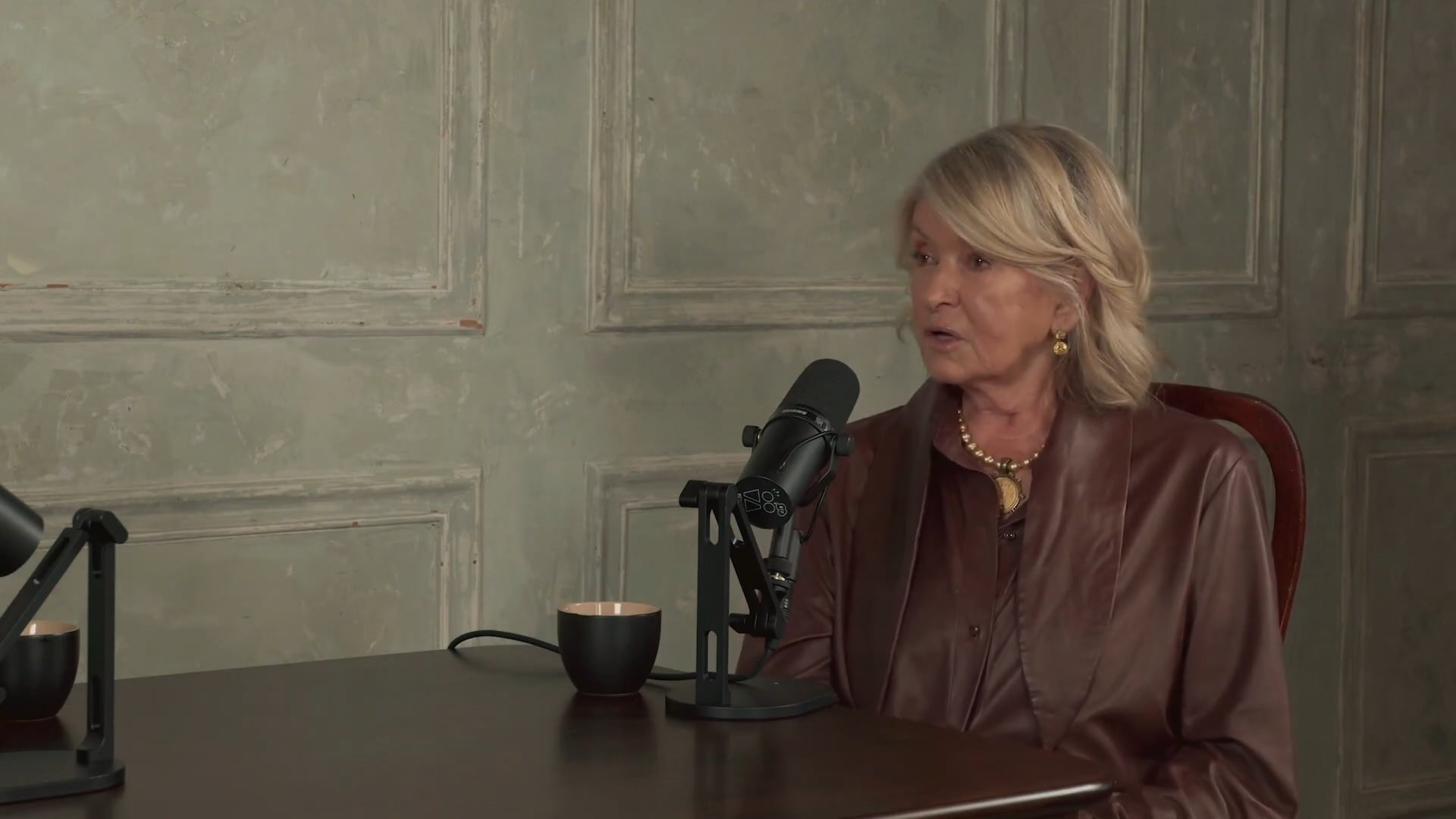
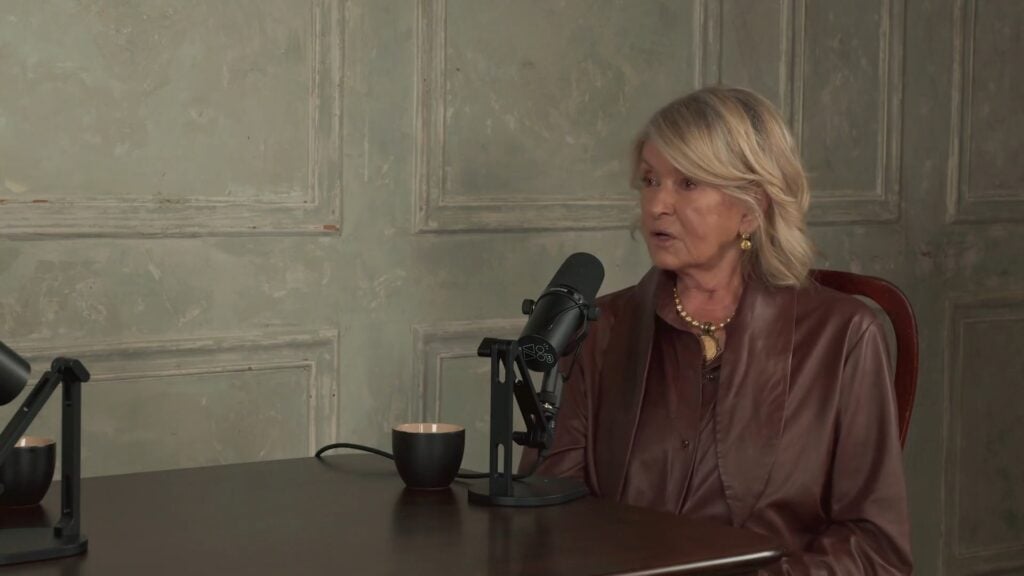
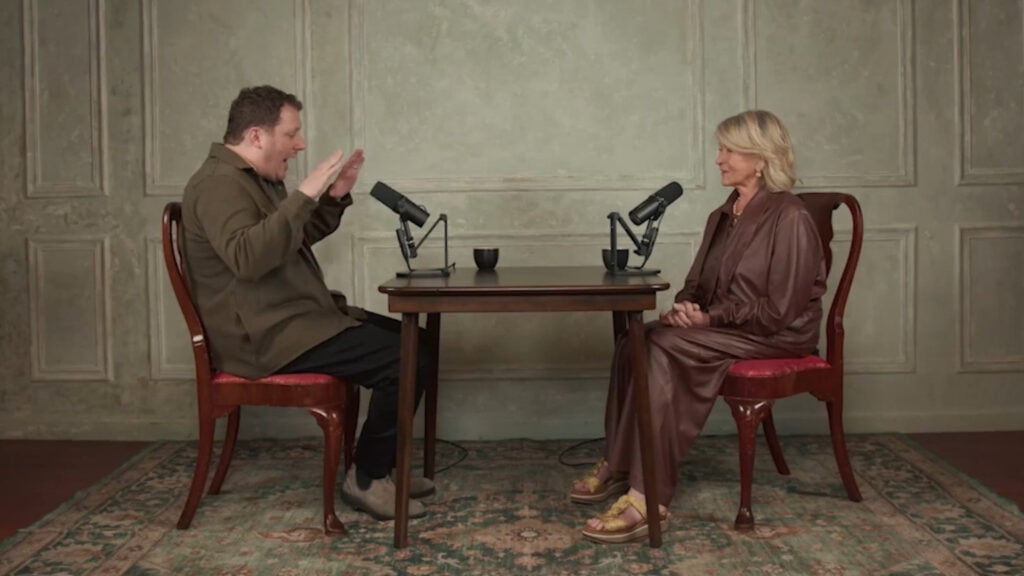
The incomparable Martha Stewart sat down with MasterClass CEO David Rogier to discuss how she built her brand and fortune.
On the Other People’s Business podcast on Monday, October 5, she shared that she once made a whopping $65 million a year from one source: Kmart royalties.
“We were selling close to $2 billion worth of merchandise,” she shared.
“That’s a lot of money,” Martha then understated — especially considering that she signed this deal in the ’80s.
“That was funding the whole development of my magazine, the whole business,” she added. “That was an amazing thing.”

Rogier could not contain his astonishment, dropping his jaw and exclaiming: “holy s–t.”
Indeed.
He also called her Kmart deal “one of the best deals ever made.” That is difficult to dispute.
“I would get a huge royalty on every sale of every product I designed,” Martha recalled.
She added: “They would pay for all the advertising.” For that first year, she shared, the advertising budget was $20 million.
‘They took a chance’
“We sold hundreds of millions of dollars of product,” Martha Stewart recalled.
“And,” she said in reference to her partnership with Kmart, “they didn’t know we would.”
Martha freely credited the company, who would have been left holding the bag if her product line hadn’t sold.
Instead, of course, they sold hundreds of millions. They only ended their partnership in 2009.
“They took a chance,” she summarized.
Anyone with brain poisoning from the hustle-and-grind mindset might be wondering if they, too, could strike gold with a personal brand and follow her example.
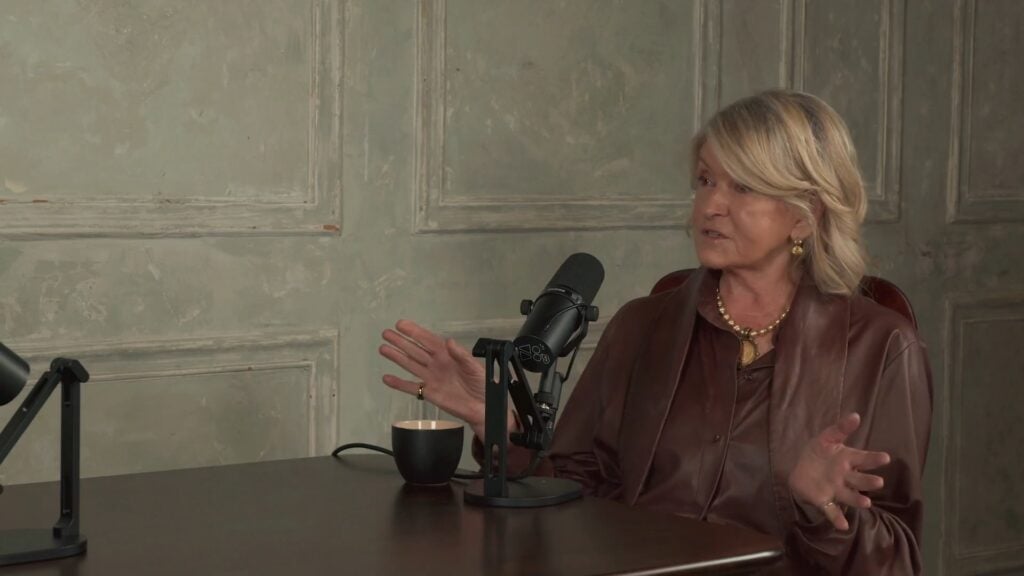
Martha was quick to point out that it is “harder” to achieve this kind of success now.
These days, she warned, “companies are paying such small royalties.”
In so many ways, society has closed the routes to success that people currently in their 60s, 70s, and 80s (Martha is 85) used to acquire wealth.
Martha worked hard to build her brand and her fortune. Someone doing the same today would more likely be building someone else’s fortune if they managed to make a career of it at all. But, hey, we can change society to be better!