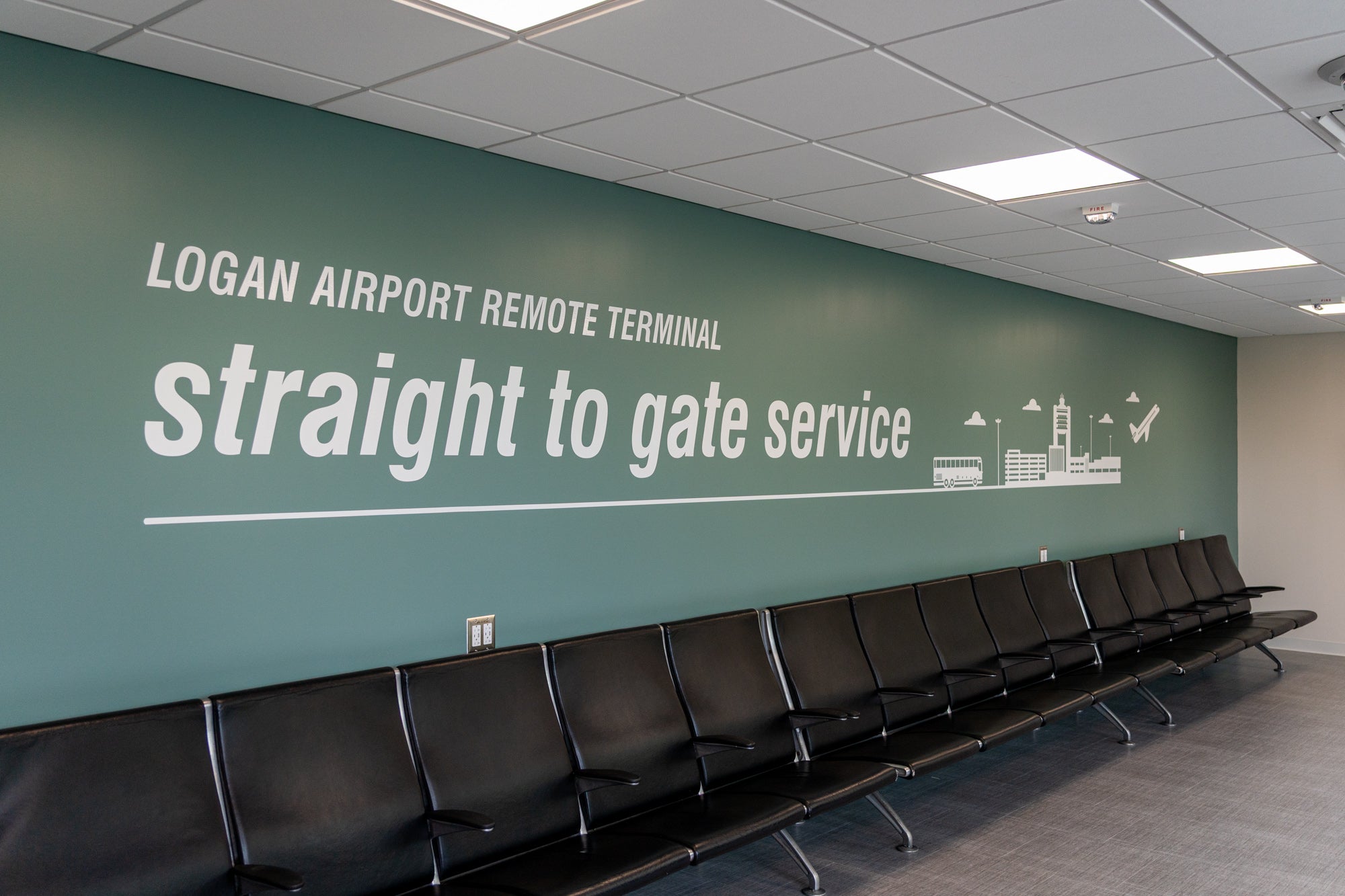
Travelers flying Delta or JetBlue out of Boston Logan International Airport (BOS) this summer have a new option to skip the lines and the hassle at the airport.
Starting on Monday, June 1, Massport (which operates BOS) is launching its previously announced pilot “remote terminal” program in conjunction with the TSA, which will allow travelers to check in, drop off luggage and clear security more than 20 miles away from the airport in the suburban city of Framingham, Mas.
After going through security, passengers will board a bus operated by Landline that will drop them off airside at Boston Logan — either at gate A18 for Delta flyers, or C8 for those on JetBlue. Meanwhile, checked bags will be transferred directly to the plane. The pilot program will run alongside the existing Logan Express bus service, which runs from several cities and towns surrounding Boston, including Framingham.
Landline may sound familiar; that’s because it’s the mobility company that’s using buses to replace shorter flights for airlines like American Airlines, such as between Lehigh Valley International Airport (ABE) near Allentown, Pennsylvania and Philadelphia International Airport (PHL). The service allows travelers to stay inside the sterile security zone while transiting between the two airports on a bus.
But the BOS program will be the first in the nation that sees passengers start their journeys at a true remote terminal, not an airport. The pilot was originally authorized by federal legislation in 2019, and could be implemented at other airports across the U.S. in the coming years.
Earlier this week, Massport hosted several stakeholders for a tour of the facility ahead of the official start, including Massachusetts Gov. Maura Healey, along with local media. During the event, TPG had a chance to walk through the facility to get a sense of how it will run.
TPG’s first look at Boston Logan’s new remote terminal
Notably, the facility is significantly smaller than the larger Logan Express garage down the street in Framingham. If the pilot is successful and the program expands, a larger building would be used, Richard Davey, the CEO of Massport, told TPG. Massport is also looking at other potential sites for larger, permanent remote terminals — including Braintree, another city on the outskirts of Boston.
Still, with just 55 passengers per bus and an hourly ride schedule between 4 a.m. and 11 a.m. to start, the current facility should be big enough. Passengers will take the regular Logan Express bus back from Logan after their return flights.
Tickets are $9 each way, with children under 18 years old riding for free. Seats can be booked as far as 90 days or as close-in as 90 minutes in advance.
Reward your inbox with the TPG Daily newsletter
Join over 700,000 readers for breaking news, in-depth guides and exclusive deals from TPG’s experts
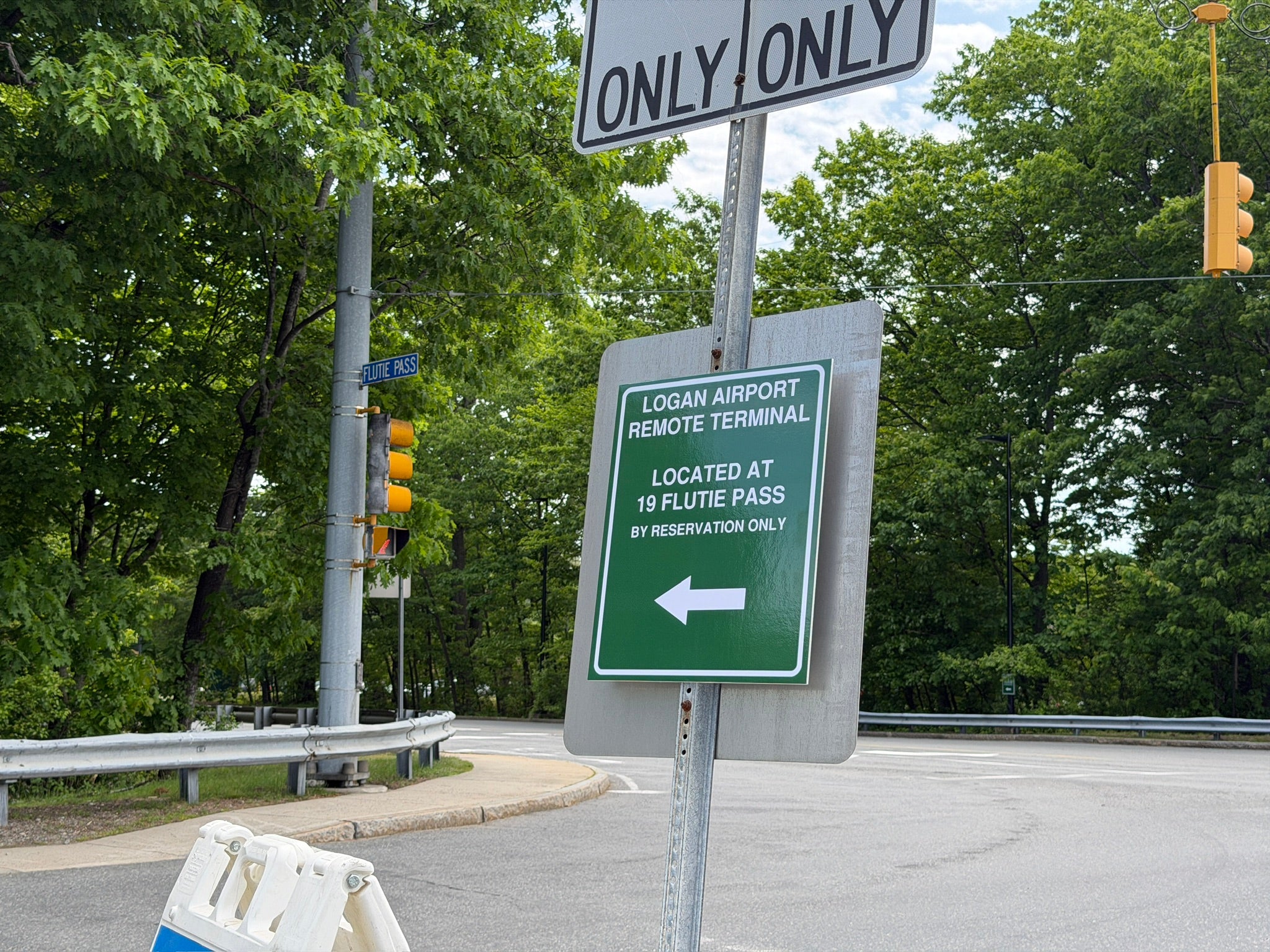
Passengers can drive or be dropped off at the remote terminal, which has somewhere between 350 and 400 parking spaces available. Parking at the Framingham site costs $7 per day.
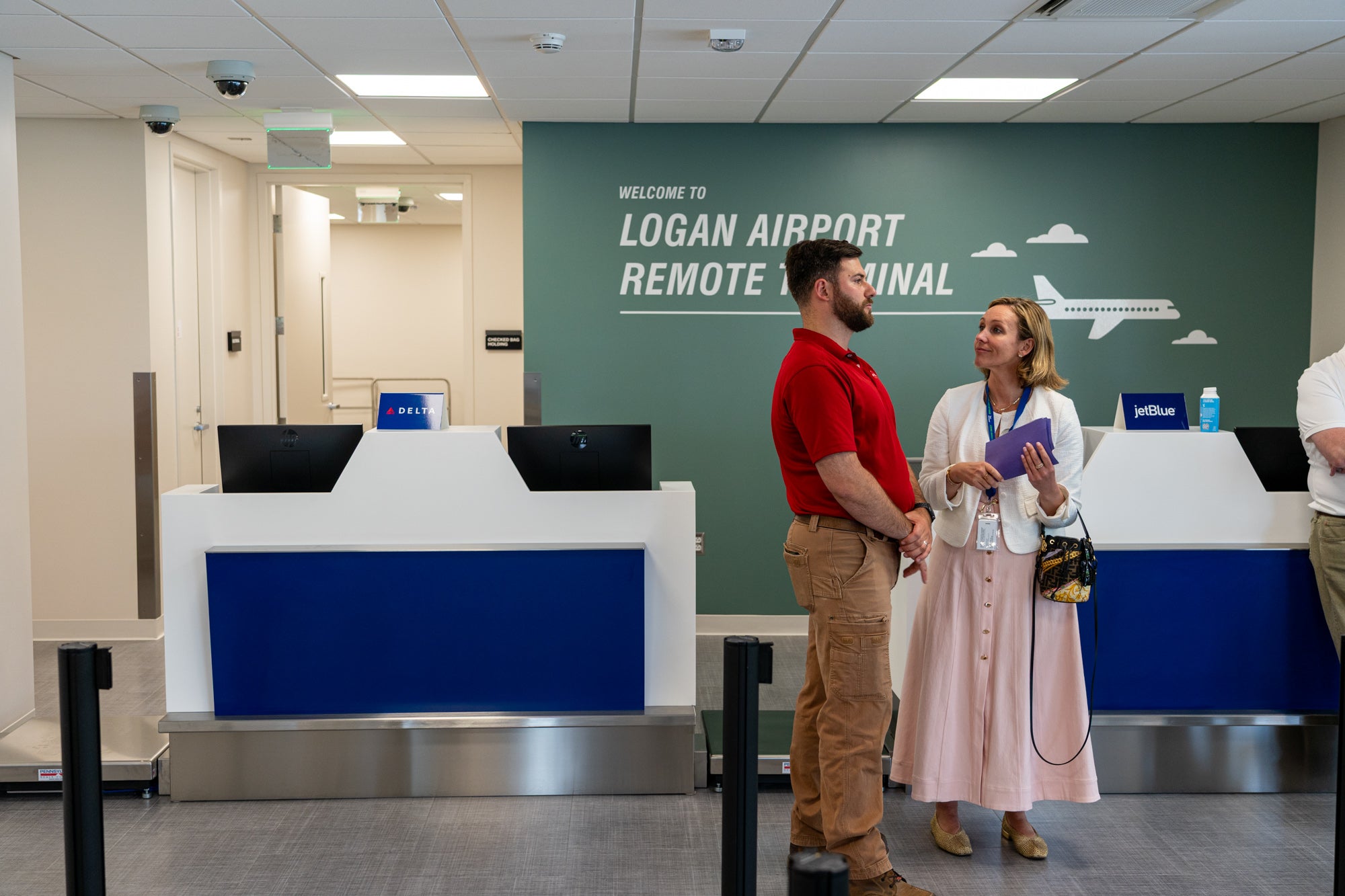
Inside the building, passengers will notice that feels like a miniaturized airport terminal in a lot of ways. There are two check-in desks for the airlines participating in the trial — one for Delta and another for JetBlue.
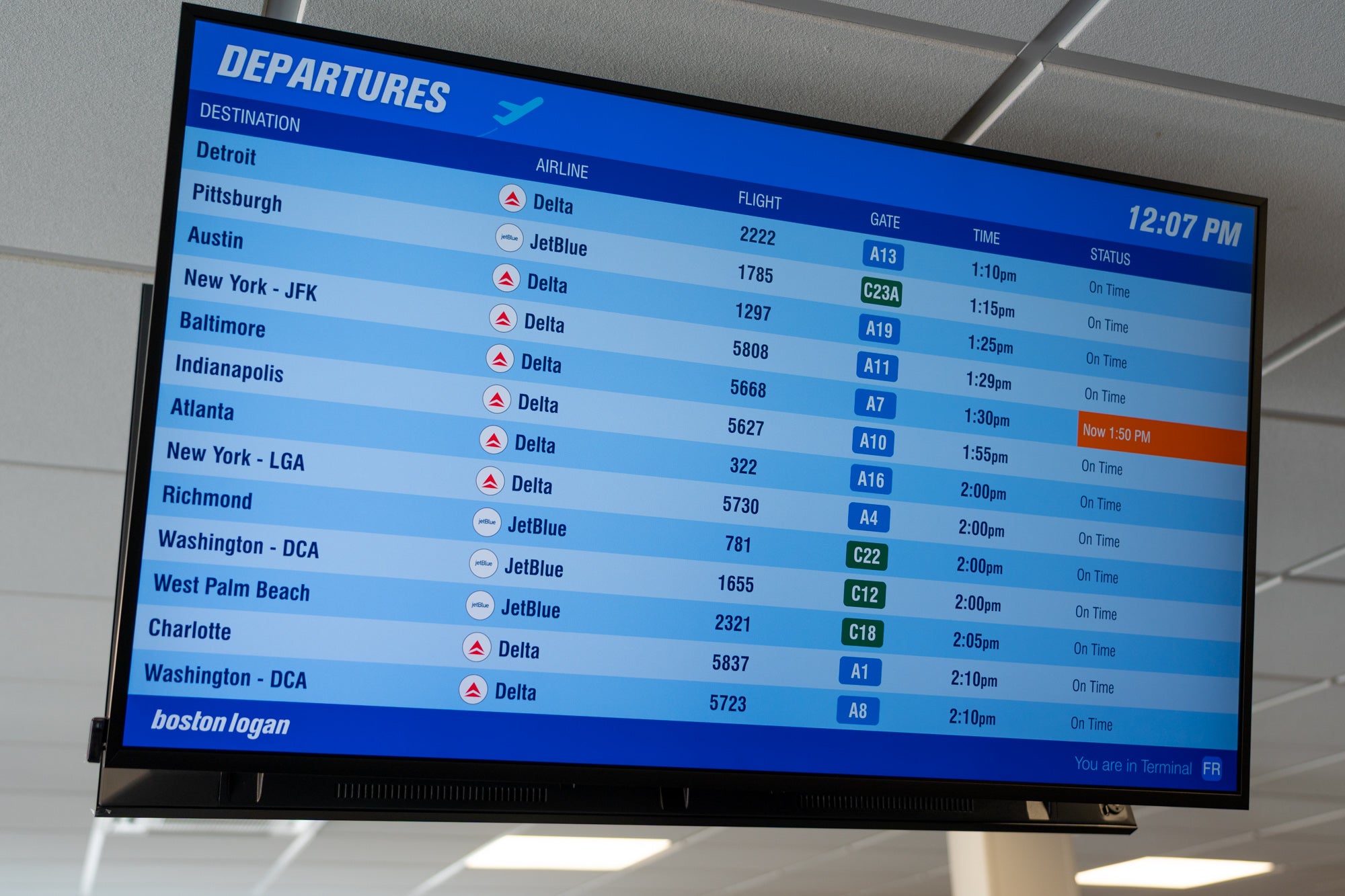
There’s also a standard departures board displayed on a couple of large TVs, underscoring the miniature airport aesthetic.
1 of 2
DAVID SLOTNICK/THE POINTS GUY
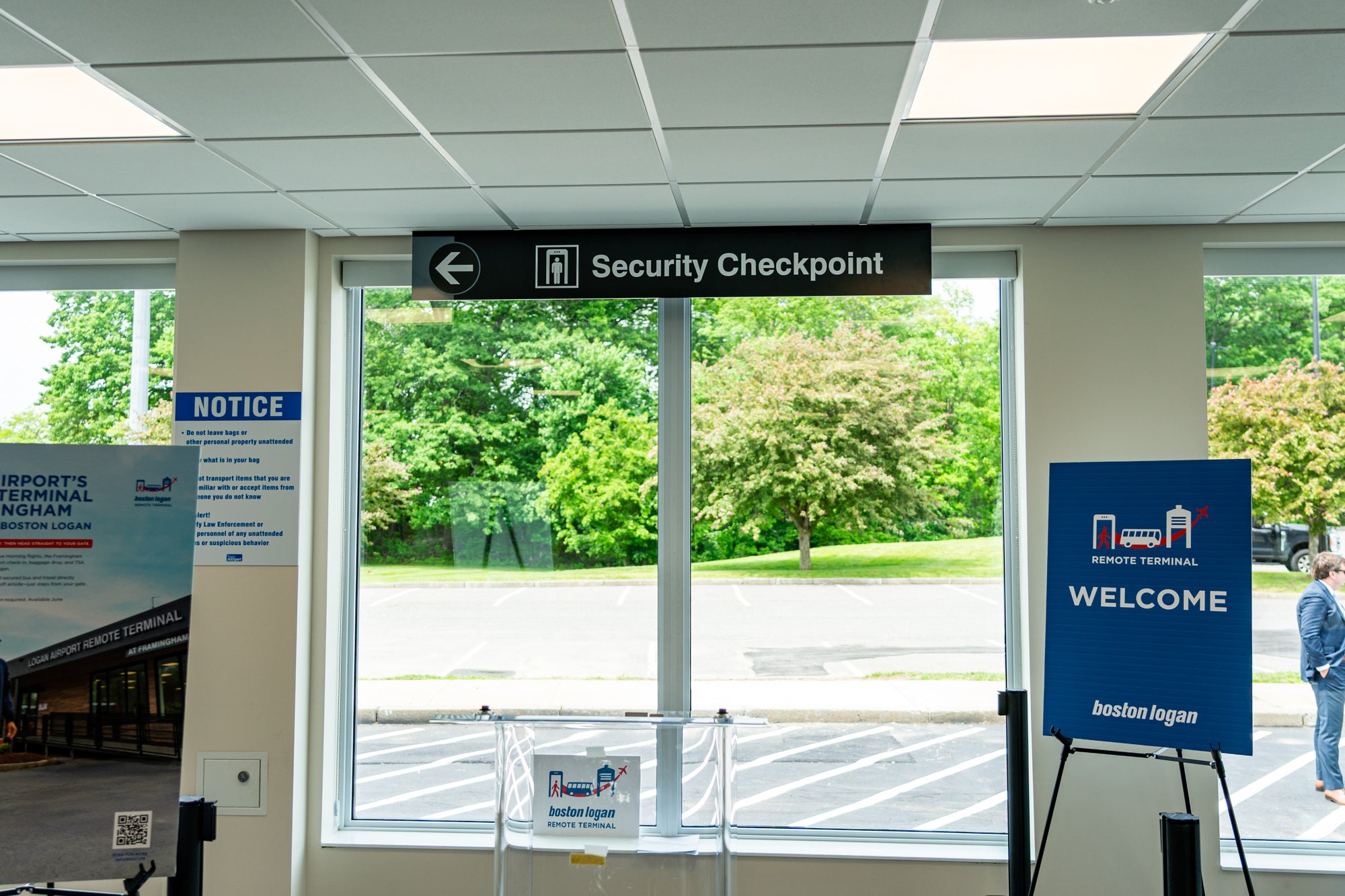
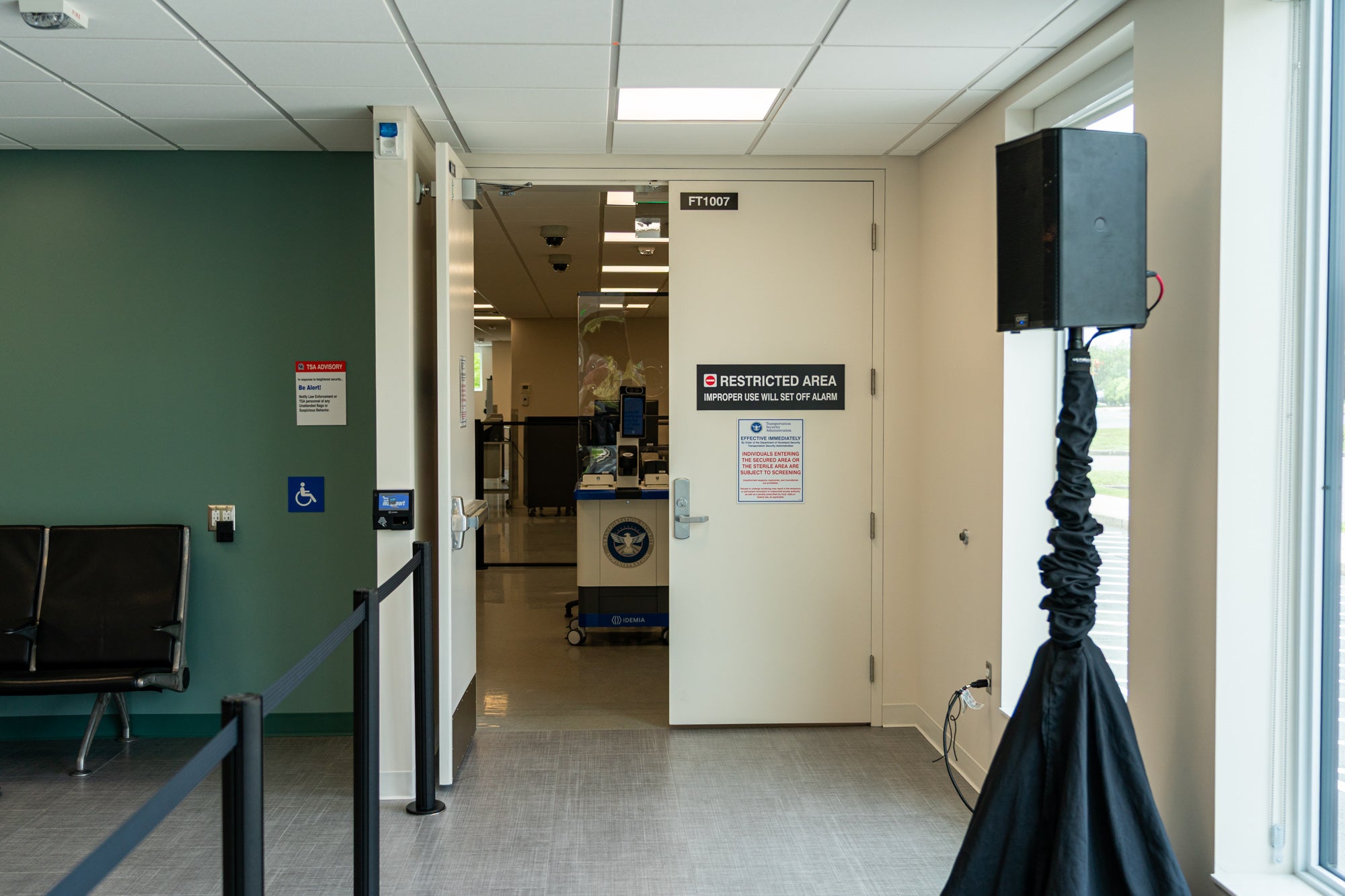
There’s space in the pre-security area to finish drinks or otherwise hang around before heading through, with signs directing travelers to the checkpoint.
1 of 2
DAVID SLOTNICK/THE POINTS GUY
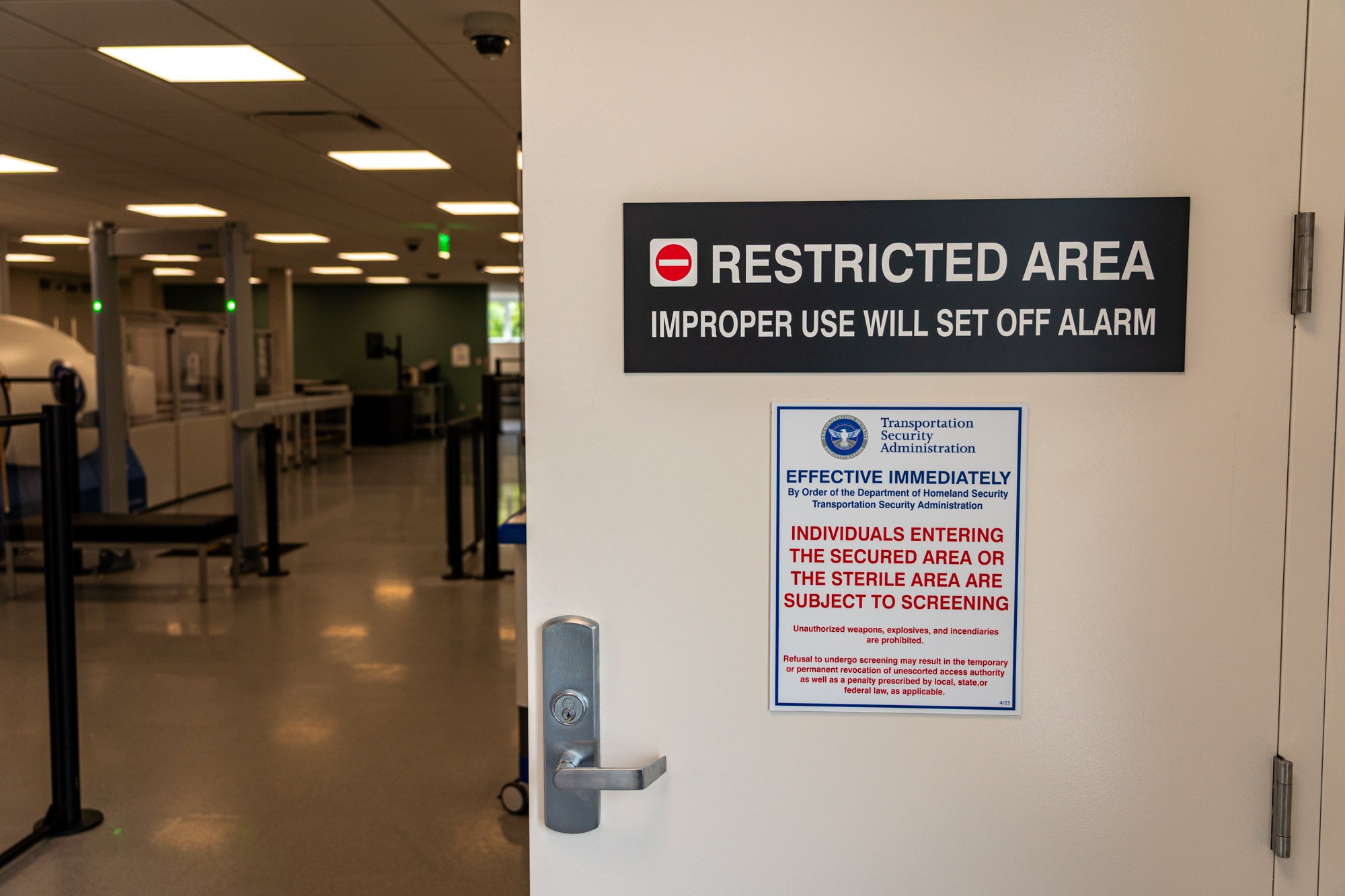
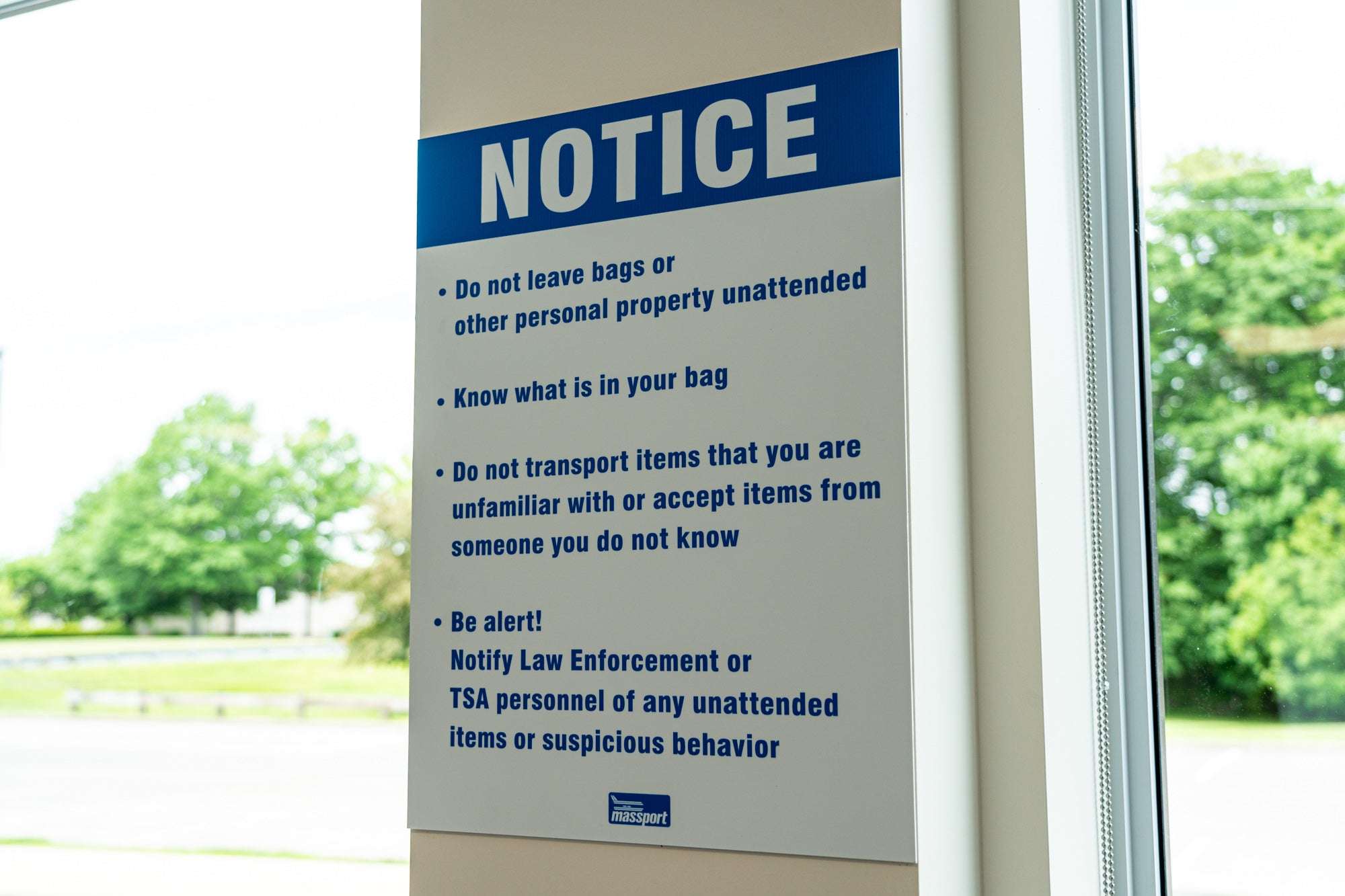
Signage also reminds passengers that for all intents and purposes, this is an airport terminal. The same rules apply surrounding security.
1 of 3
DAVID SLOTNICK/THE POINTS GUY
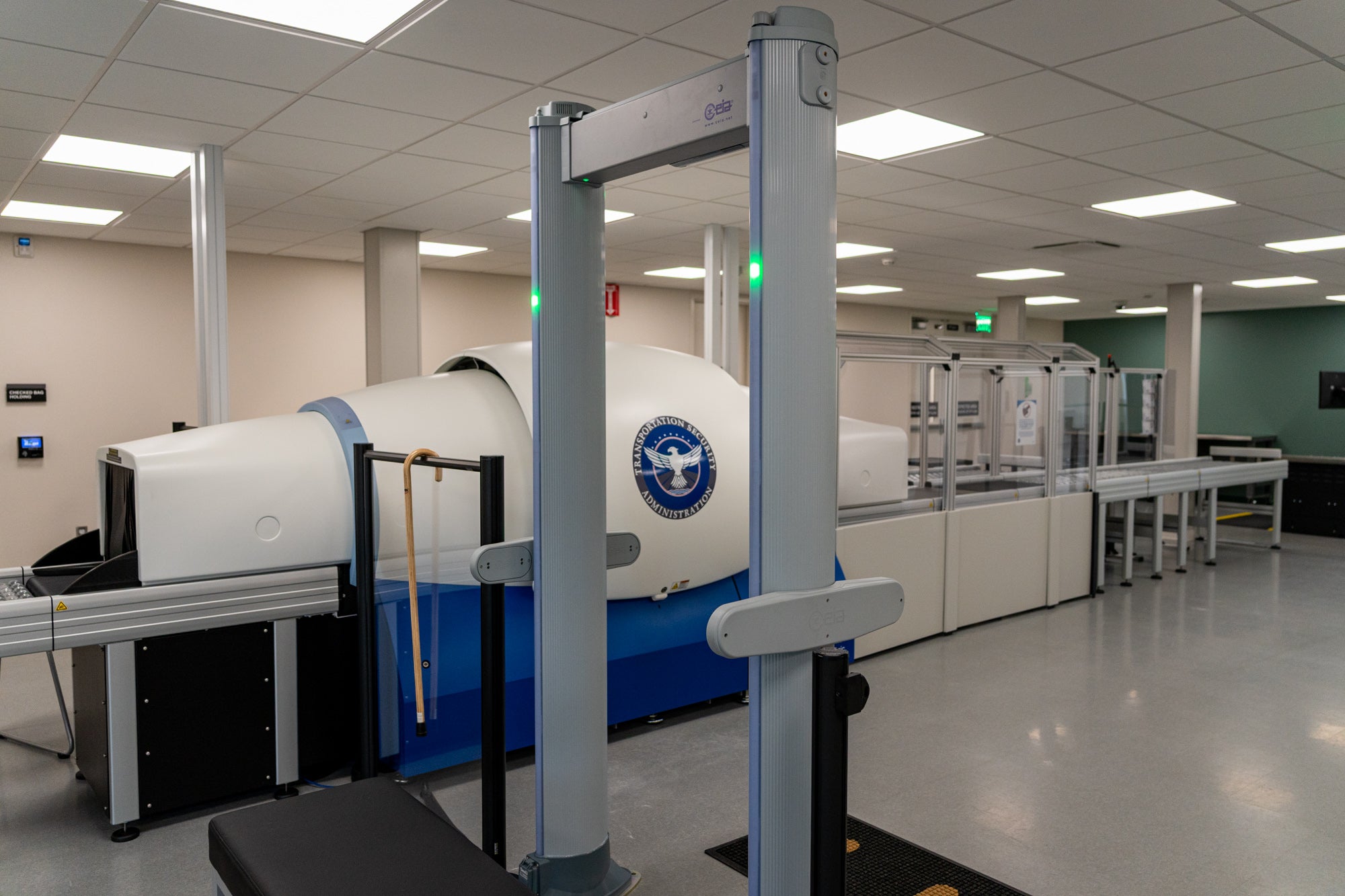
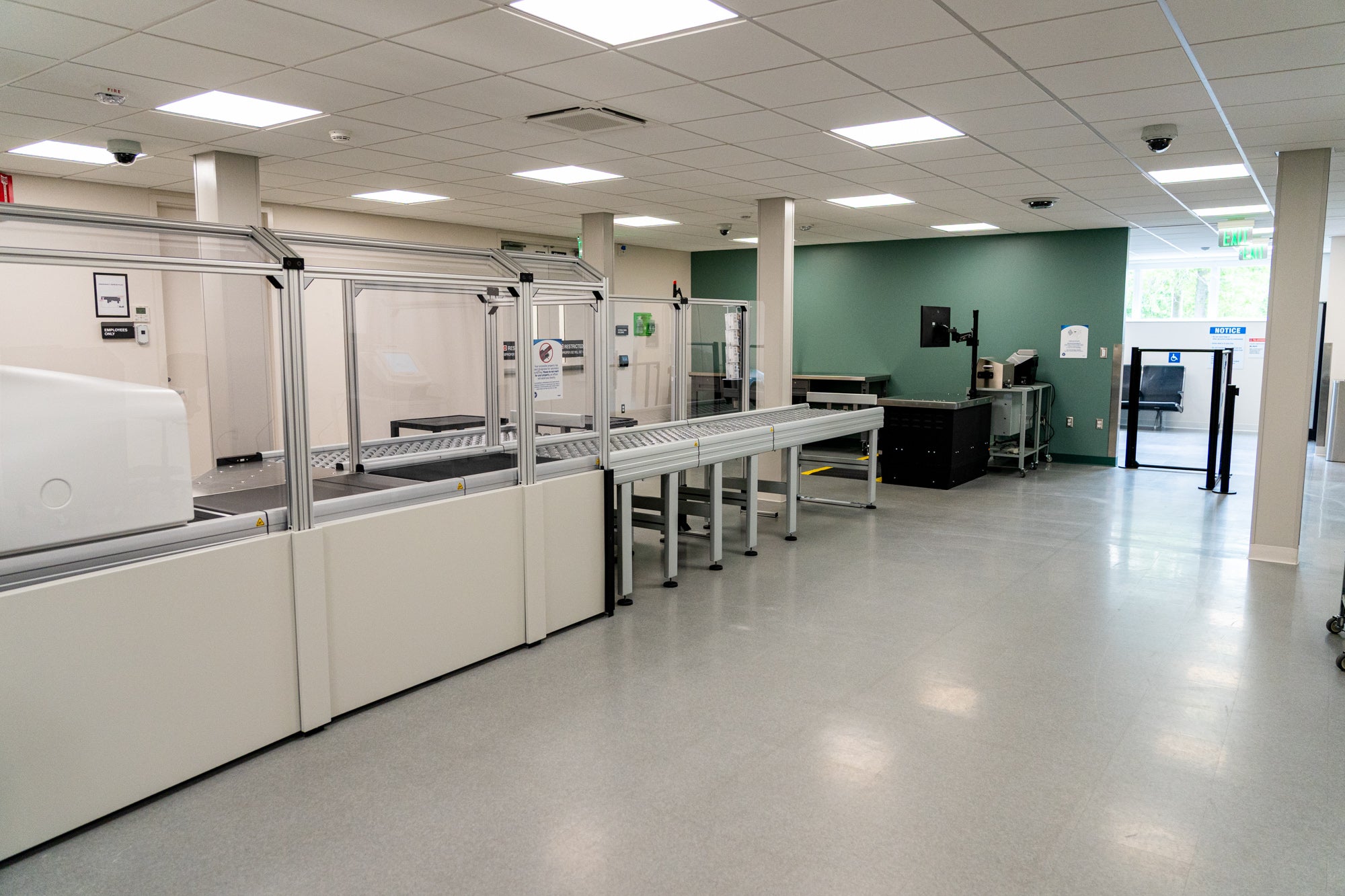
Through the doors to security, the checkpoint looks like what you’d find at a standard airport, albeit smaller. There’s a desk where a TSA officer checks your identity, followed by a baggage screening area — complete with trays — and one of the newer computerized tomography (CT) based scanners, which lets all passengers leave things like electronics and liquids in their bags.
1 of 2
DAVID SLOTNICK/THE POINTS GUY
During the tour, there was no body scanner present, just a standard metal detector. A Massport spokesperson said that both passengers with and without TSA PreCheck could use the remote terminal, although it was not immediately clear whether the body scanner would be installed for those without PreCheck ahead of the pilot program’s launch (a representative for TSA was not available during the tour). Checked bags will also be screened by TSA at the remote terminal before being loaded into the cargo hold on the bus.
1 of 2
DAVID SLOTNICK/THE POINTS GUY
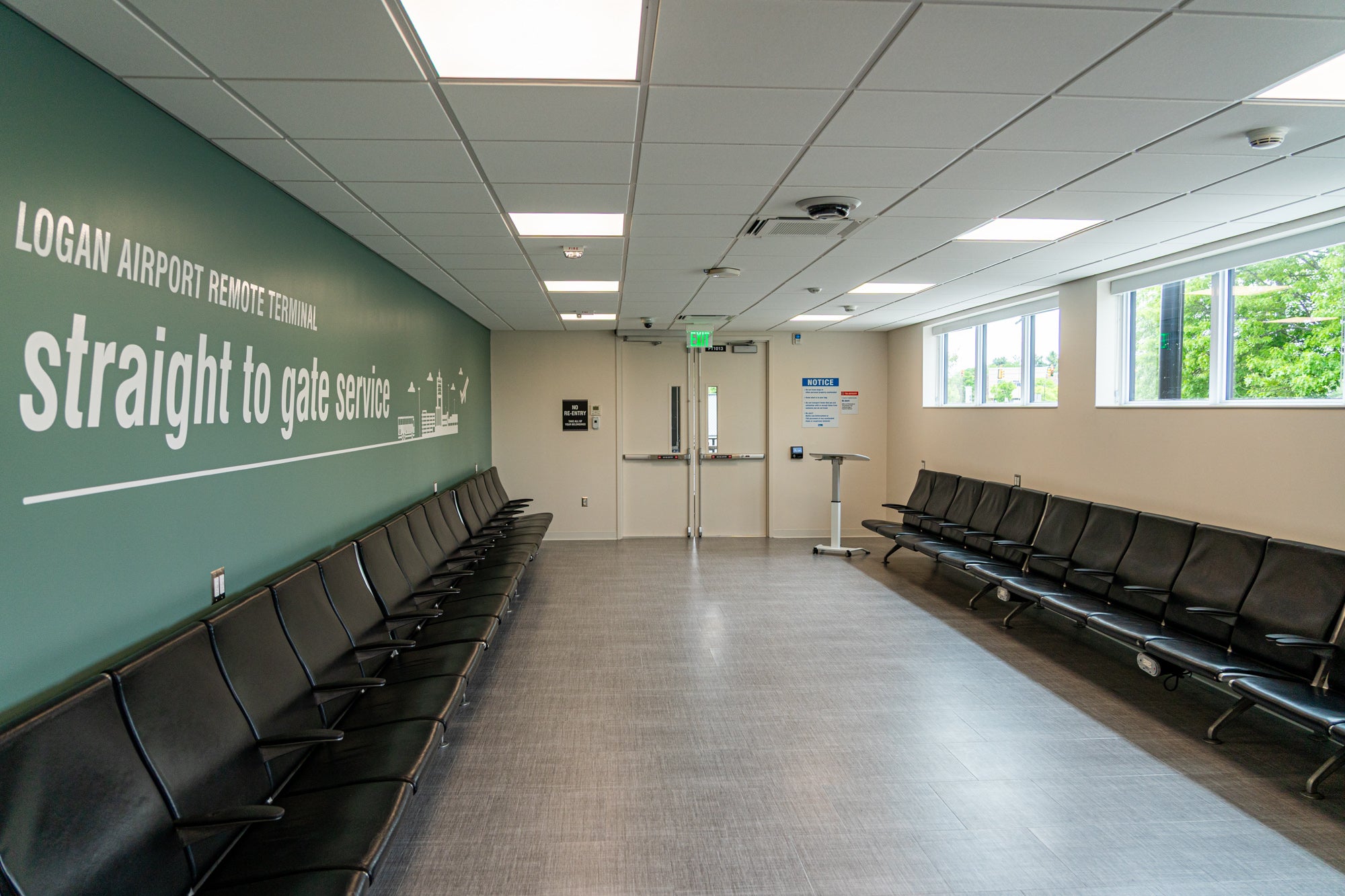
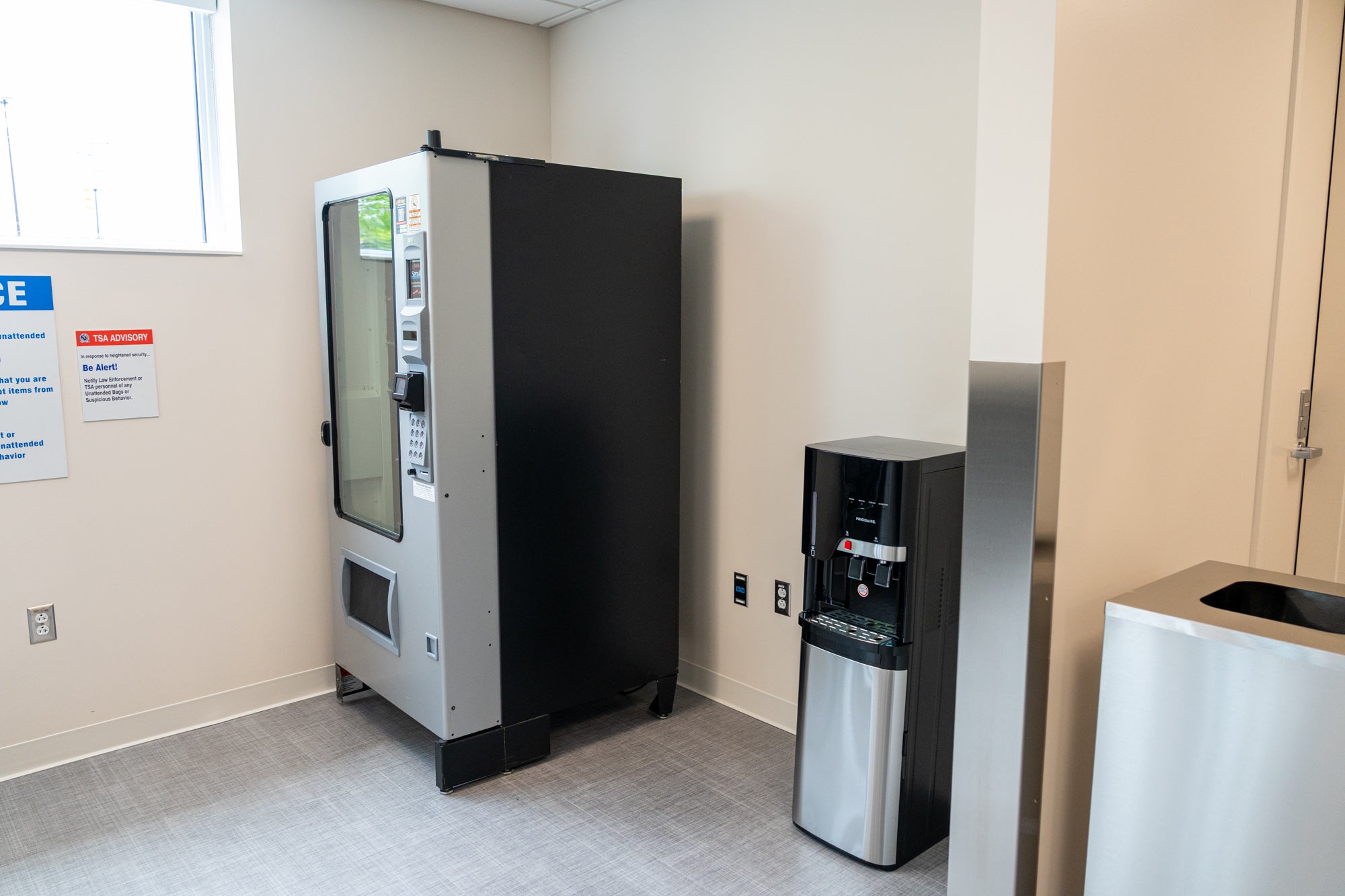
Once passengers are through the checkpoint, they’ll enter a small waiting room outfitted with a vending machine, water cooler and bathroom.
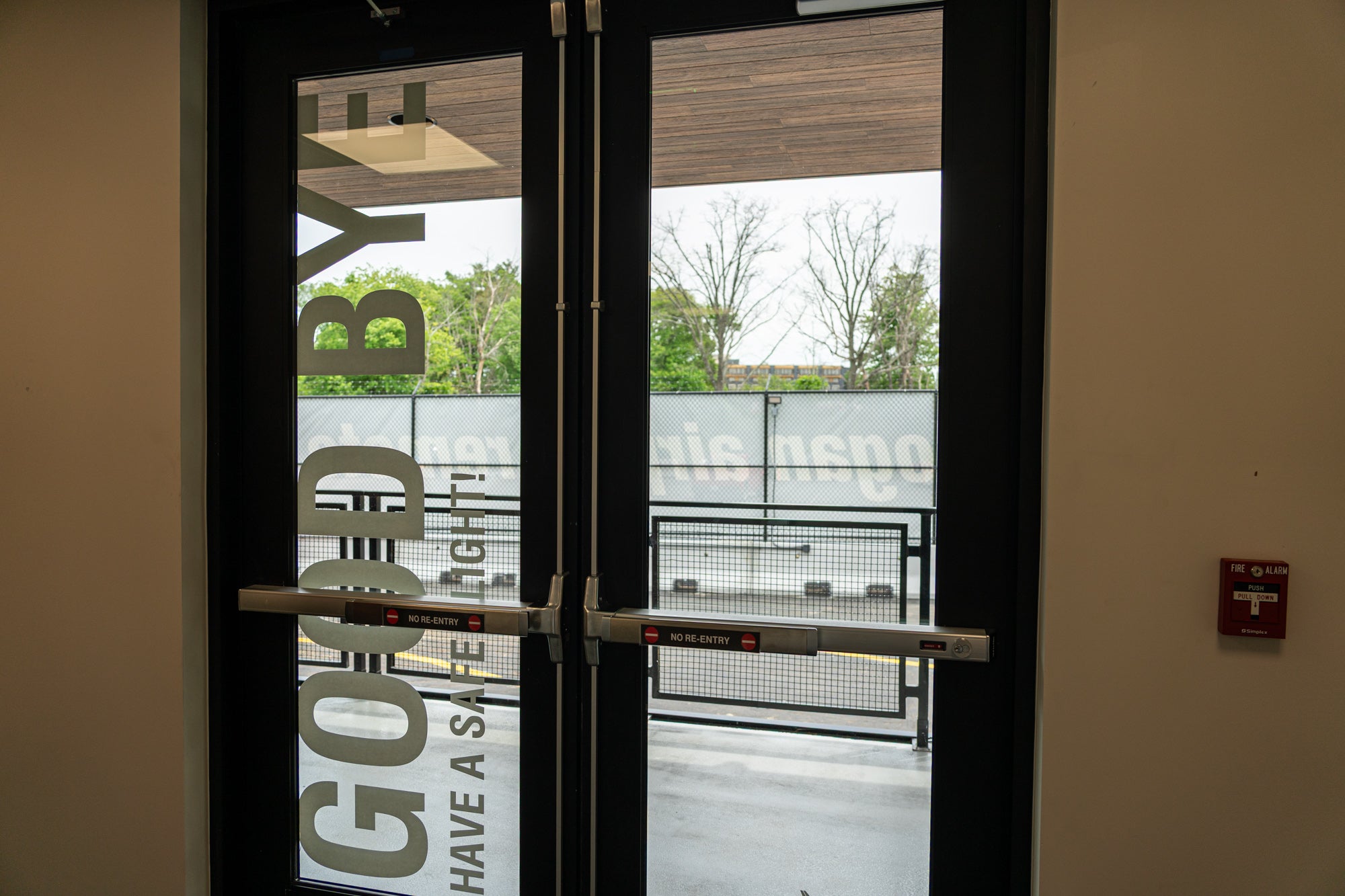
Then, passengers go through a pair of secure doors…
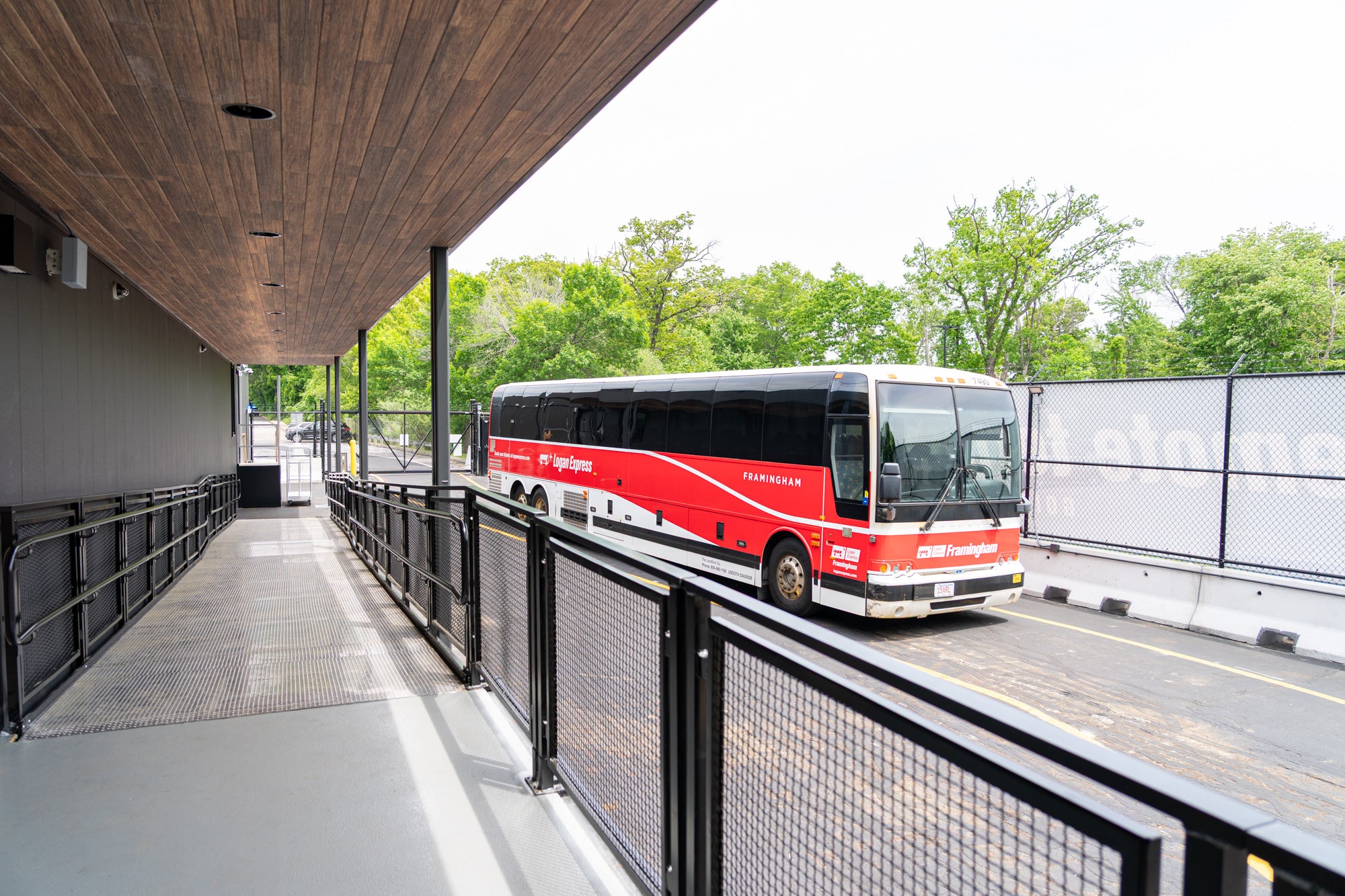
…and down a ramp (effectively the jet bridge) onto the bus. Notably, the bus is enclosed in a locked and alarmed secure area, maintaining the sterile “airside” status.
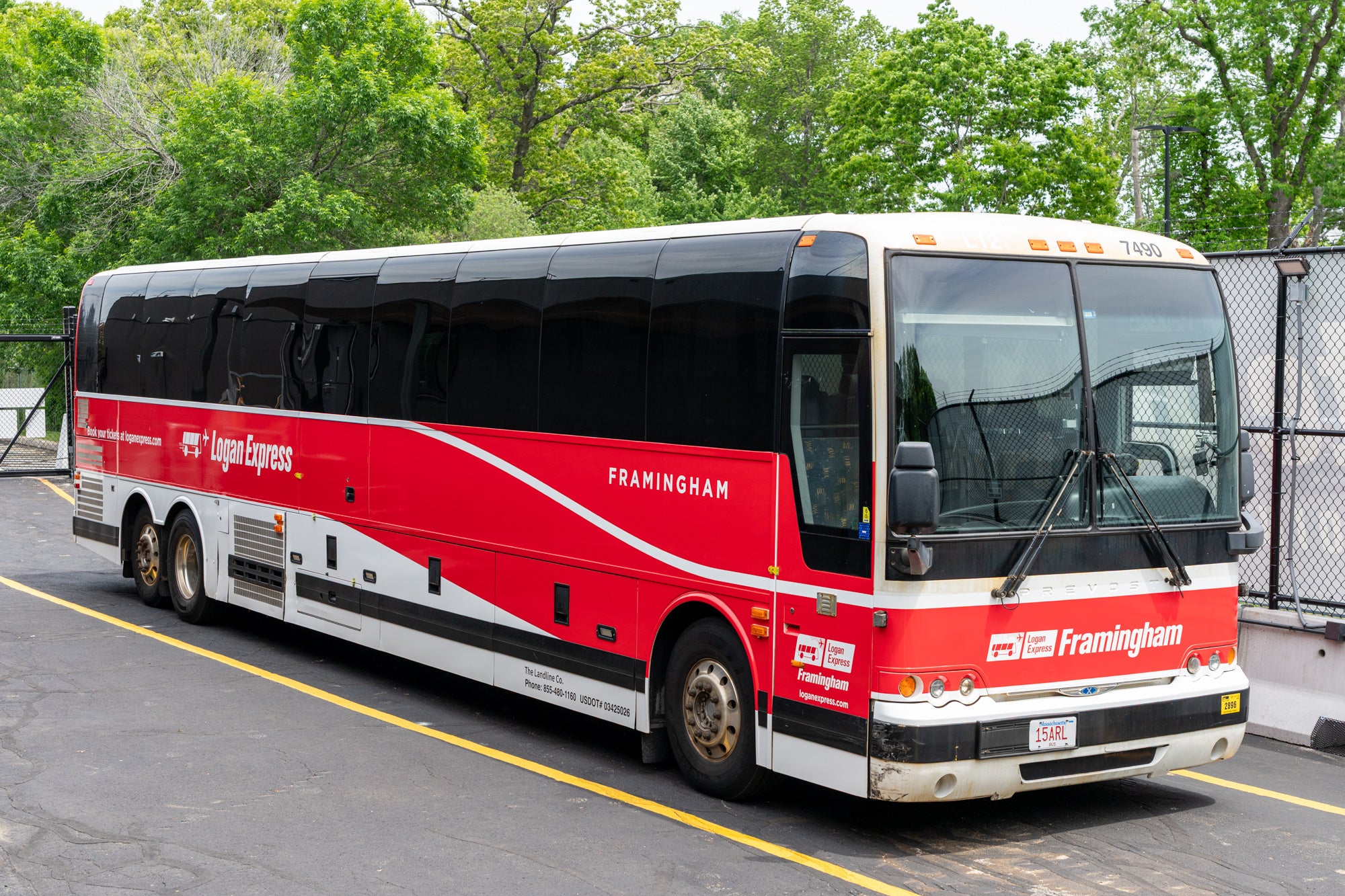
From there, it’s an easy 30–45 minute ride down the Mass Pike — that’s I-90 — to BOS.
Bottom line
With nearly a week before the pilot begins running, more than 700 passengers have already reserved spots using the remote terminal, said Davey, who noted that it’s a roughly even split between Delta and JetBlue so far.
It remains to be seen how well the program will actually work and what kinks will need to be worked out. Massport plans to survey passengers during the trial to learn what works and what doesn’t from their perspective, Davey said. Part of the survey will also involve asking passengers what they would consider to be a reasonable cost for the service if and when it becomes a permanent program.
While tickets currently cost the same as the normal Logan Express shuttle, the remote terminal concept is much more labor intensive and costs more to operate. Massport is bearing a significant portion of the costs as it works through the pilot, Davey said.
For now, however, the remote terminal will offer some passengers an innovative and arguably easier way to get to the airport as the summer travel season ramps up, Davey said, hopefully encouraging passengers to use mass transit and relieving traffic around the airport.

