This website may contain affiliate links and advertising so that we can provide recipes to you. Read my disclosure policy.
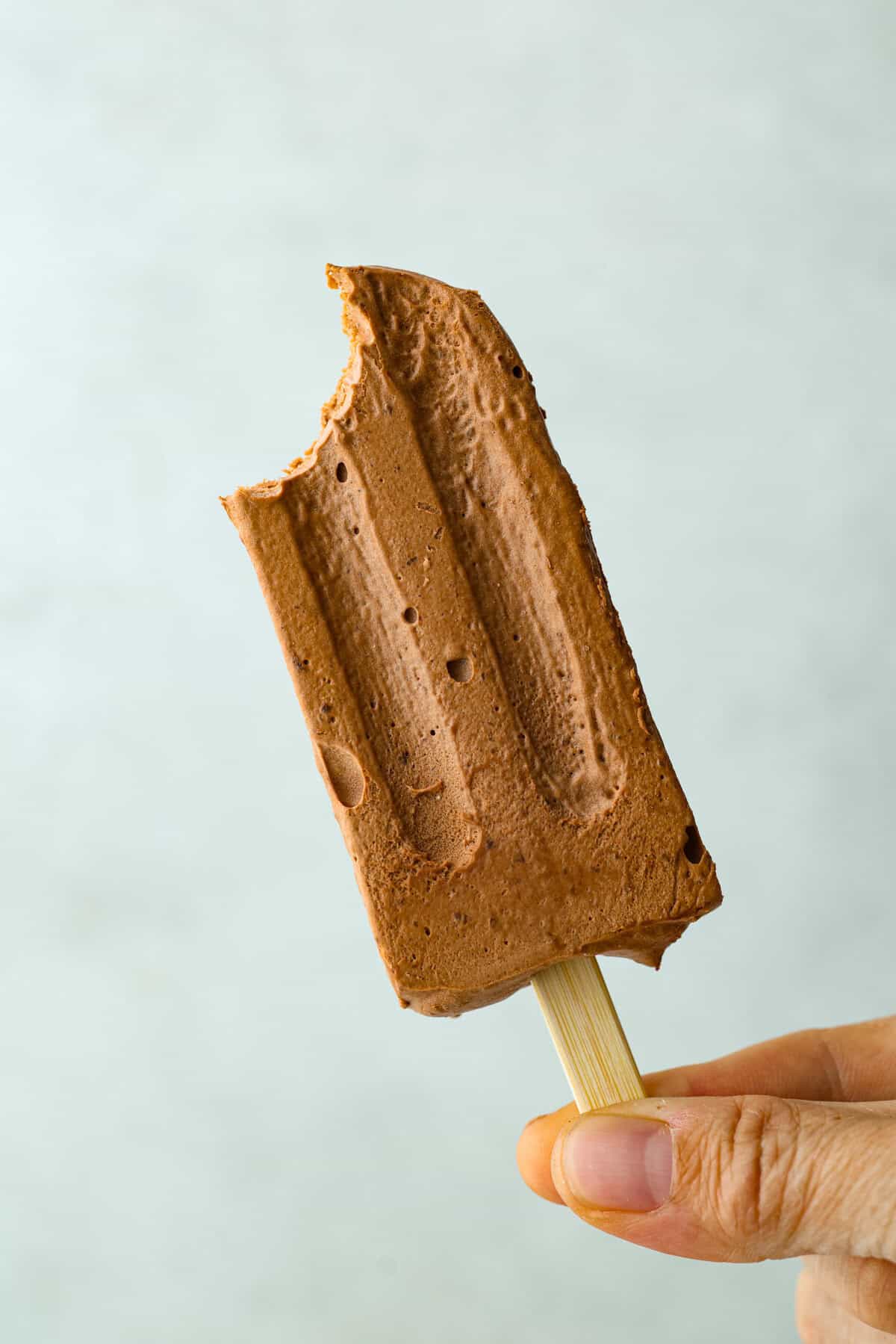
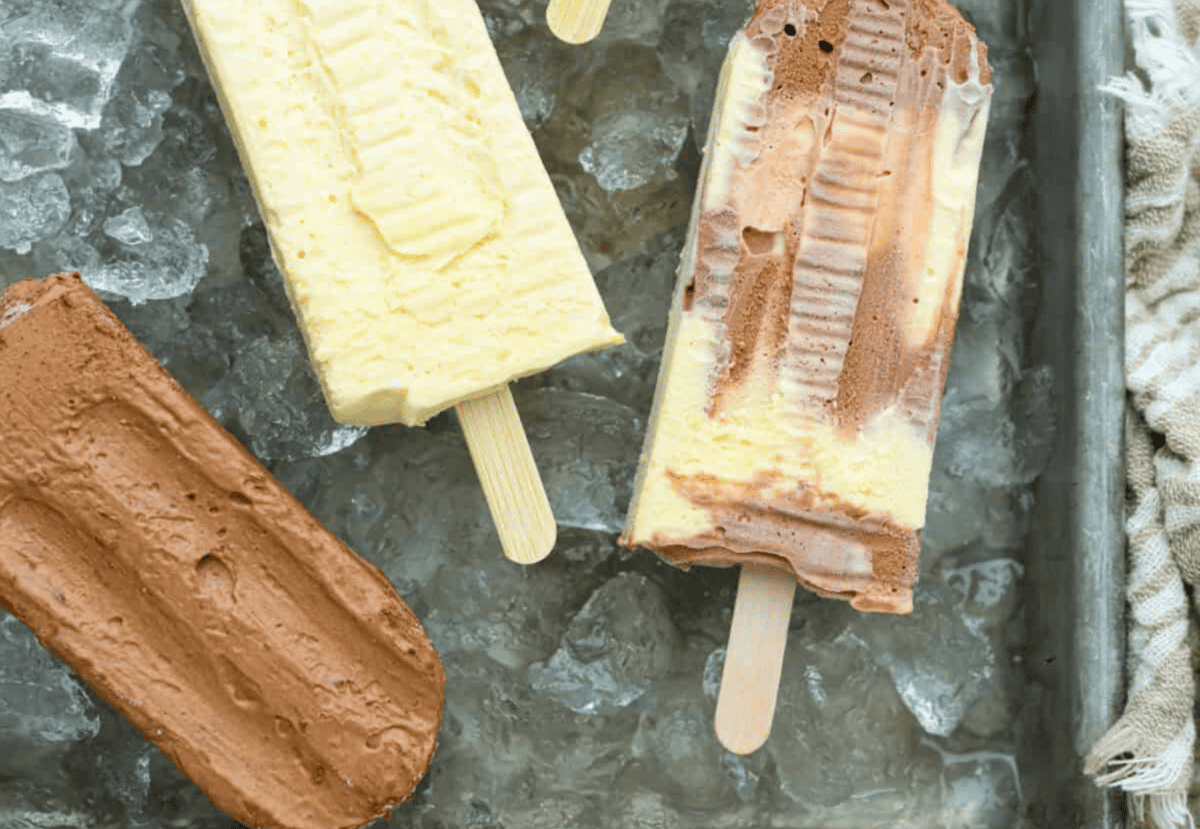
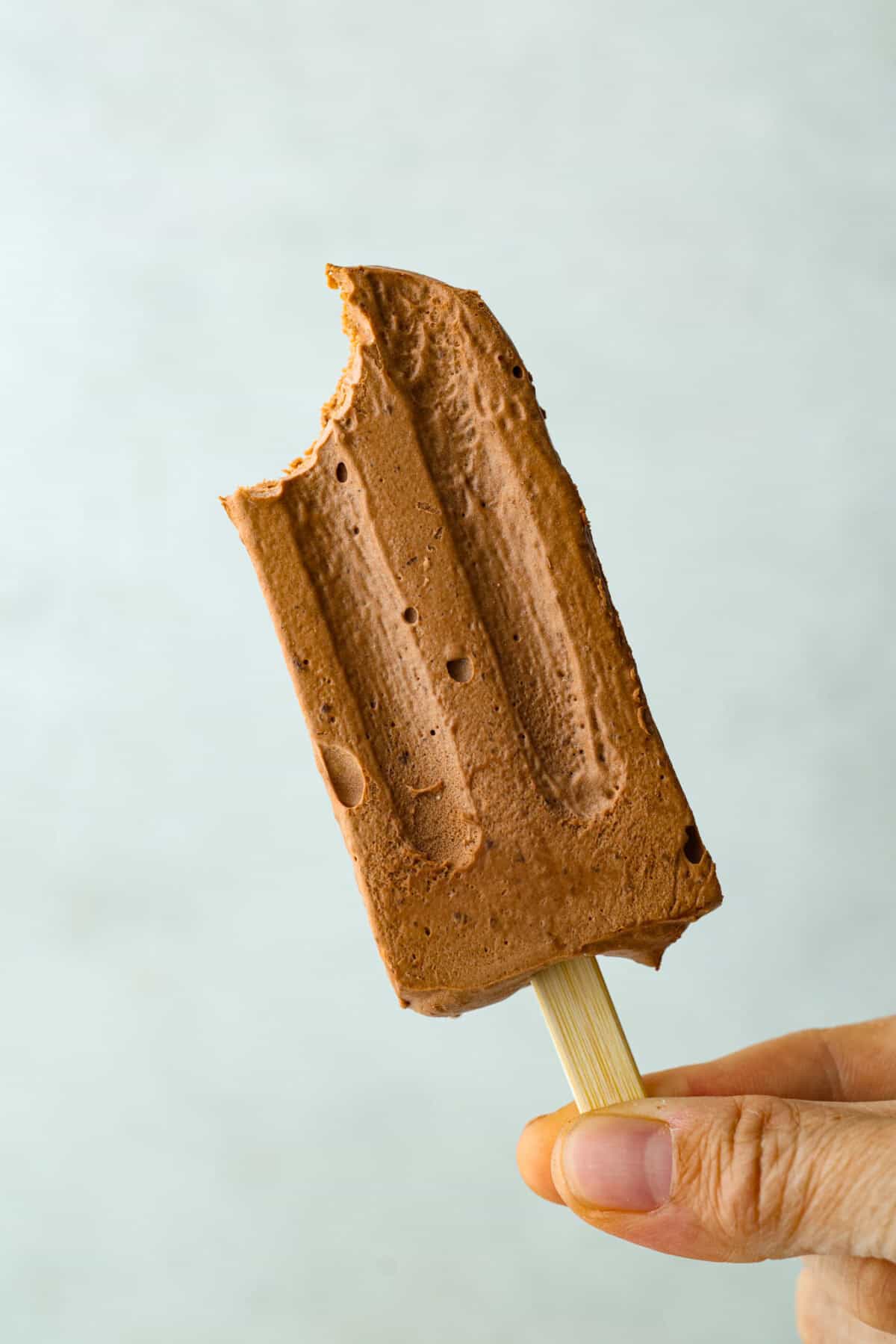
Pudding pops instantly take me back to summer as a kid! They’re cold, creamy, chocolatey, and easy to make with just a few simple ingredients. Keep a batch in the freezer for hot afternoons or an easy after-dinner treat.
The Secret to Creamy, Nostalgic Pudding Pops
- Extra Creamy: Evaporated milk gives these pops enough richness to freeze smooth and creamy instead of icy.
- Tested for the Best Texture: I tested different molds and methods so you’ll know exactly how to freeze and release them without making a mess.
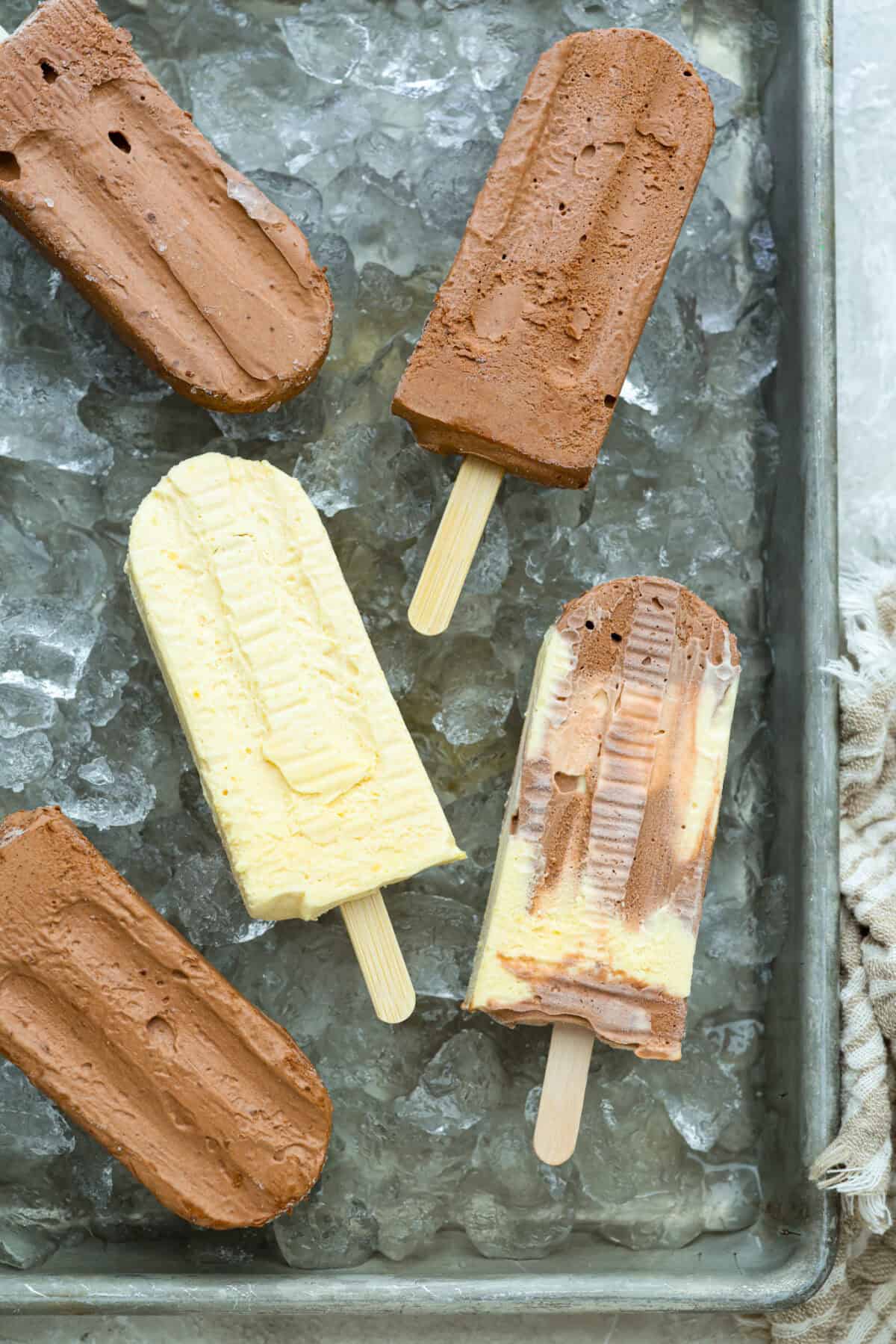
- Easy to Make Your Own: Use chocolate, vanilla, or swirl them together, then try other pudding flavors and mix-ins for a fun twist.
Pudding Pop Ingredients
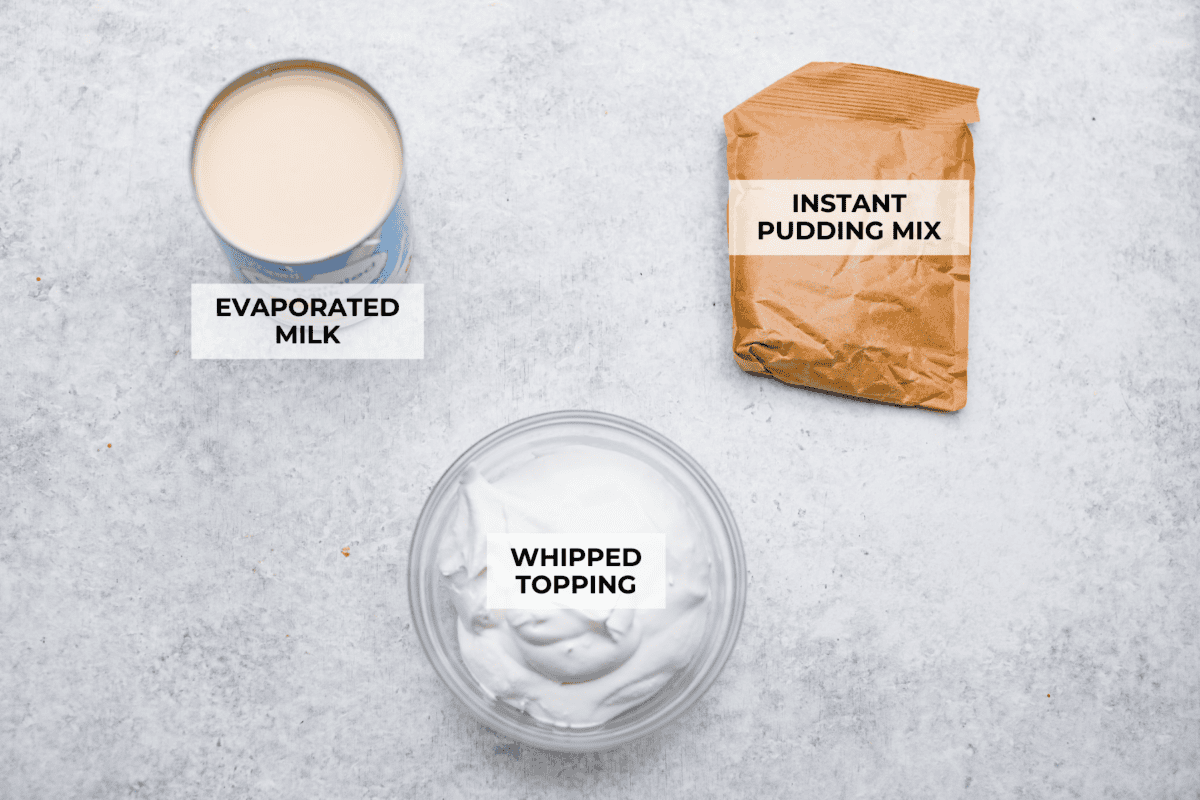
- Change the Flavor: Chocolate, vanilla, and swirled are the classic choices, but any instant pudding mix will work.
- Try Fun Add-Ins: Add crushed Nilla wafers to banana pudding or shredded coconut to coconut pudding.
How to Make Classic Pudding Pops
These homemade pudding pops are so easy to make and even more fun to eat! If you love simple frozen treats, try my Greek Yogurt Fruit Pops or my homemade popsicles.
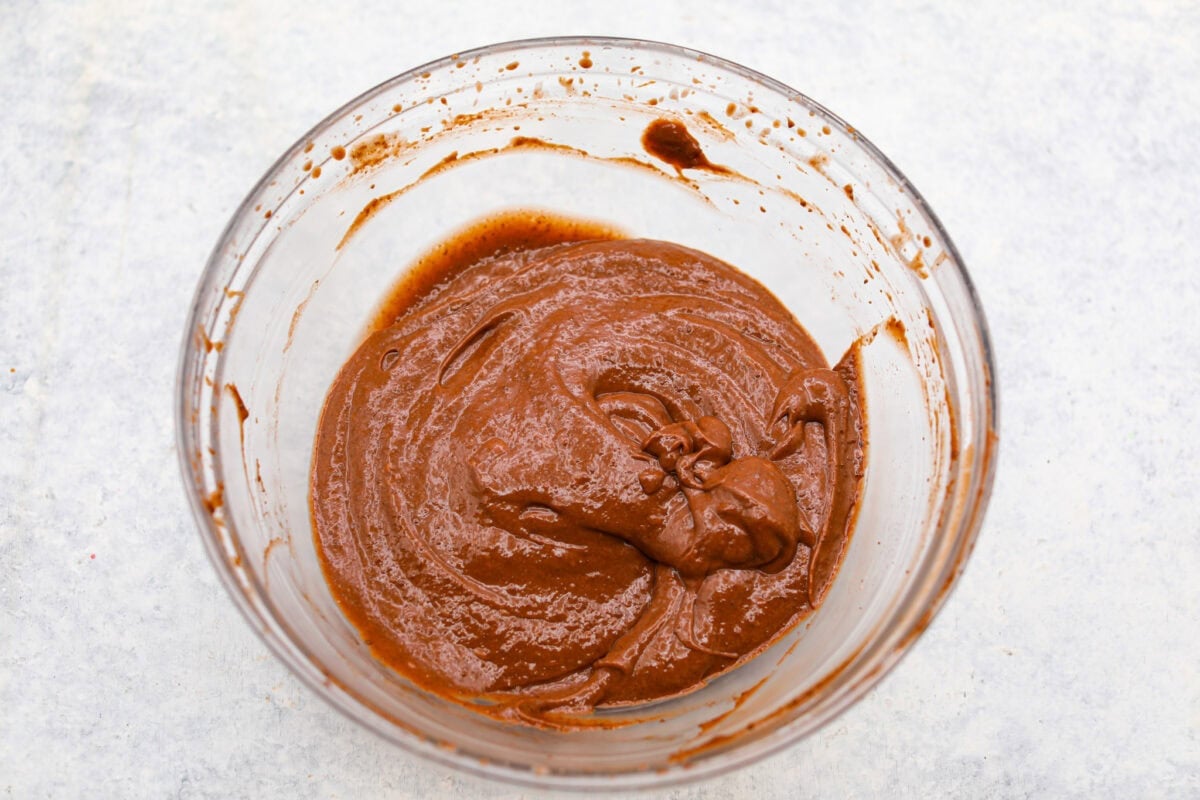
- Combine: Add instant pudding mix and a can of evaporated milk to a large bowl, then beat with a hand mixer or whisk until thickened, about 1-2 minutes. Stir in thawed whipped topping.
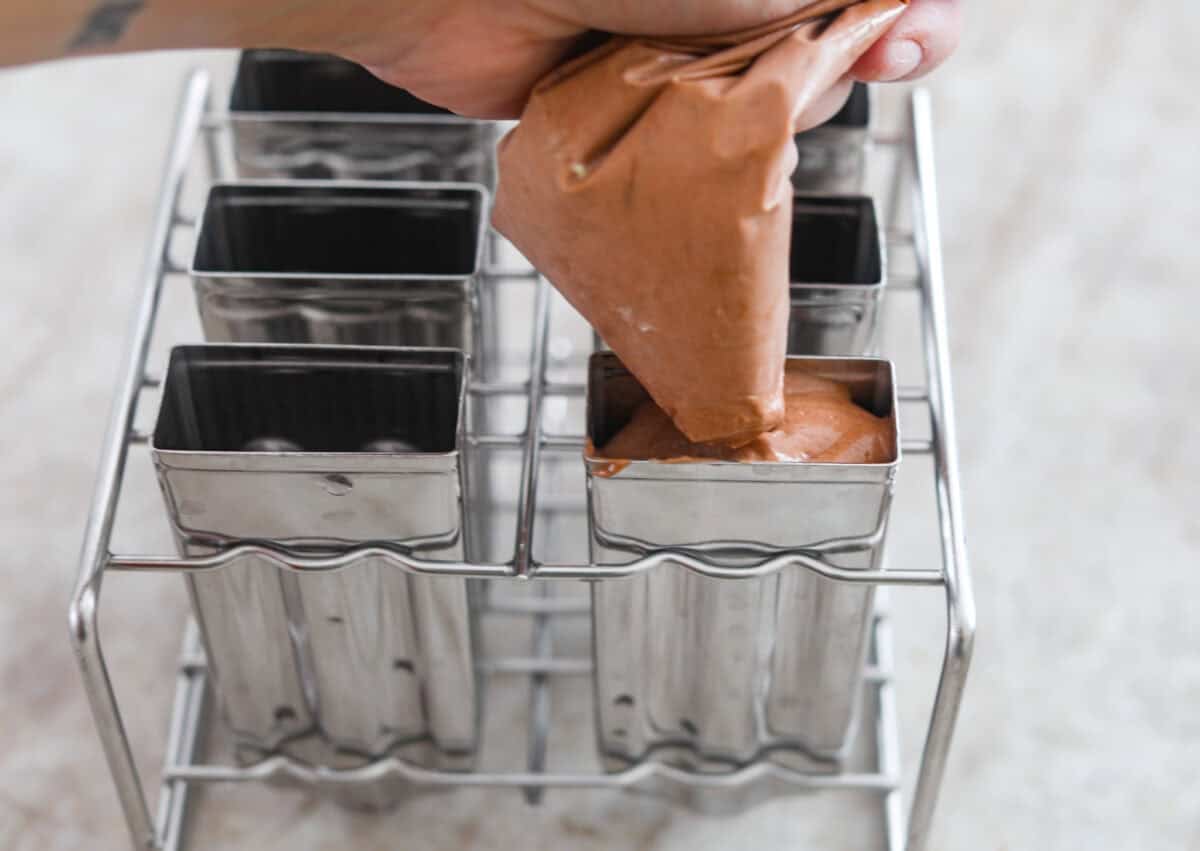
- Freeze: Fill a large ziplock bag with the pudding, then snip the corner and pipe the pudding into the molds. Insert the popsicle stick and freeze for at least 6 hours before demolding and enjoying.
Alyssa’s Pudding Pop Success Tips
These pudding pops took a few tries to get just right! Follow these tips for smooth, creamy pops that come out of the mold without a fight.
- Pipe for Less Mess: Add the pudding to a zip-top bag, snip off one corner, and pipe it into the molds.
- Remove Air Bubbles: Tap the mold against the heel of your hand, add more pudding as needed, and tap again.
- Freeze Completely: Let the pudding pops freeze for at least 6 hours before removing them from the molds.
- Release Them Slowly: Briefly run metal molds under lukewarm water, then pull the stick firmly and slowly so the tip does not break.
Must Have Tools For This Recipe
- Popsicle Molds: Metal molds work best, but hard plastic molds or Dixie cups also work. Skip silicone molds because they can squish or break the pops.
- Popsicle Sticks: Use food-grade wooden sticks, not colored craft sticks.
- Electric Mixer: Makes sure there are no lumps in the mixture.
Pin this now to find it later
Prevent your screen from going dark
-
Add 1 (3.9-ounce) box instant pudding mix and 1 (12-ounce) can evaporated milk to a large bowl and beat with a hand mixer or a whisk until thickened, about 1-2 minutes. Stir in 1 cup thawed whipped topping.
-
Fill a large Ziploc bag with the pudding, then snip off a corner and pipe it into the molds. Insert the popsicle stick and freeze for at least 6 hours before demolding and enjoying.
Leftover Storage Instructions
To Store for Later: Demold the popsicles and lay them on a parchment-lined baking sheet. Freeze for at least 2 hours before transferring the parchment and popsicles into a freezer bag. Freeze for up to 3 months.
Calories: 165kcalCarbohydrates: 23gProtein: 5gFat: 6gSaturated Fat: 4gPolyunsaturated Fat: 0.2gMonounsaturated Fat: 2gCholesterol: 17mgSodium: 298mgPotassium: 222mgFiber: 1gSugar: 20gVitamin A: 145IUVitamin C: 1mgCalcium: 159mgIron: 0.3mg
Nutrition information is automatically calculated, so should only be used as an approximation.

