Between Taylor Swift releasing 30+ variants of The Fate of Ophelia and Olivia Rodrigo’s team following suit with multiple Drop Dead variants and sharing instructions for boosting streams, it is clear that we are entering an era of inflating Billboard numbers as much as possible. Many of these strategies likely emerged from observing the K-Pop scene and how they increase sales and streams. But what some of you may not know is that these K-Pop strategies were inspired from the Japanese idol scene, especially the highest selling Japanese idol group AKB48. To horrify ONTD with how much worse Billboard inflation can get (trust me, it can get WORSE), let’s go over some AKB48 gimmicks and inflation strategies that created a nightmare for the Japanese charts in the 2010s.
Multiple editions is likely not new to any of you. After all, ONTD was flooded with multiple posts documenting yet another version of The Fate of Ophelia. However, what if I were to tell you these multiple versions can be pushed further? Multiple single album covers and tracks by team/sub-units: AKB48 consists of multiple “teams” or sub-units of girls (e.g., Team A, Team K, Team B, etc). When they release singles, there are not only a version for each team but there is both a regular edition and limited edition for each one. Aaaaand there’s also a theater version you can get when you catch a show at the theater where they perform on a regular basis! Each version also has multiple ways to create exclusive content that pressures fans into collecting multiple editions, such as different covers (typically the most popular girls of each team/sub-unit) and tracks specifc to the team/sub-unit. This results in their physical singles having seven or more versions (the worst offender being 11 versions). So if you stan multiple girls across multiple teams/sub-units, you’ll be pressured to buy multiple editions in order to support your faves/oshi. Otherwise, you don’t have all the tracks she has been on or all the singles with her on the cover (and again, don’t forget you need both the regular and limited edition of the team/sub-unit she’s in!).
Photocards
At this point, you may be thinking, “multiple editions sounds terrible, but at least I need to buy one of each, right?” WRONG. With each purchase of a single, you can get a random photocard of a member! So even if you get the edition corresponding to your fave/oshi’s team/sub-unit, there is a high chance your copy didn’t have her photocard. I guess you’ll have to buy another yet another copy if you want her photo card specfically! Of course, this is common practice in K-Pop nowadays, but if you think that’s where the highest selling J-Pop idol group stopped guess again…
Request Hour Votes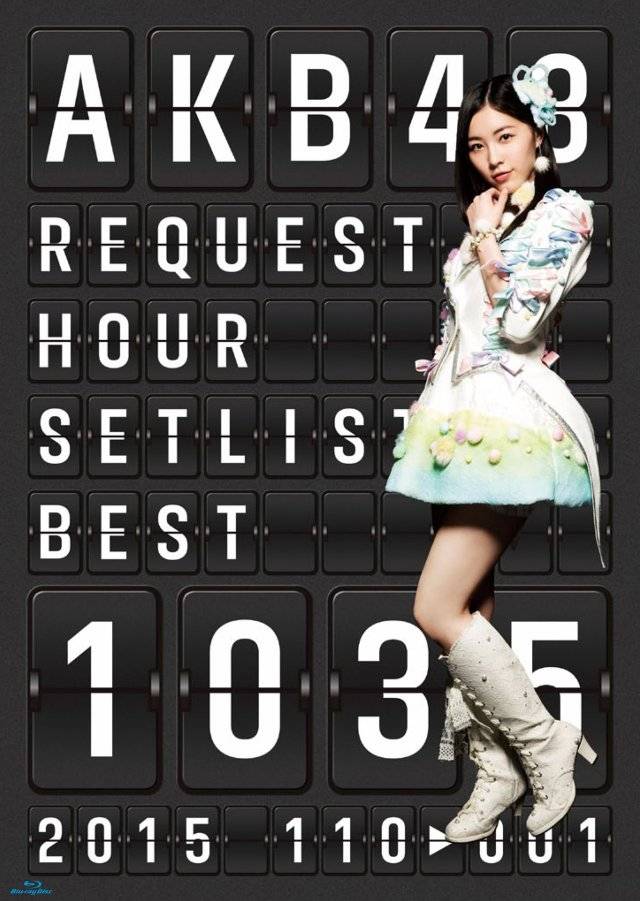
At this point, you are either already horrified or numb to these tactics because they’re also common (in some form) in K-Pop already. But what if I were to tell you that’s the tip of the iceberg of promoting mass purchasing via parasocial relationships?
AKB48 holds a yearly concert over multiple days where they will perform the top 100-200 songs voted by fans. Great concept where fans drive the setlist, right? At the same time, you may be wondering how fans can vote for a song. Glad you asked, because votes are earned with purchase of a single! Want multiple votes? Buy multiple copies! Otherwise, your fave/oshi won’t be able to perform that one song where she was the center or her theater duet that is no longer part of the regular setlist. Or what if I vote for my graduated fave/oshi’s song? Graduated members came back for Request Hour, so she has to come back for a perforamnce if her song ranks high, right? Right!? As you can see, it can get very parasocial, very fast, especially when it’s seen as an opportunity to bring the spotlight back to your fave/oshi. Or let’s say… connecting a single or album to an eras tour? (op note: if anyone’s team is reading this i demand a cut of the profits if you use this idea)
Handshake Events
If you think request hour is already parasocial enough, we can go even further! AKB48 also regularly holds handshake events where you can (literally) shake hands with your fave/oshi and have a brief conversation with her! Now how do I get an opportunity to attend a handshake event? Why, buying a single, of course! A handshake event ticket from a single lets you briefly shake hands and talk to a member before time is up and staff moves you away for the next fan. But what if a few seconds is not enough? What if you want to get back in line and see your fave/oshi again at the event? Well, if you have multiple tickets, you can completey do that! If you have multiple tickets for that day, you can redeem another ticket to go back and shake your fave/oshi’s hand (again) and get another few seconds to talk to her!
If you think the only incentive is to shake hands with your fave/oshi, guess again! Time slots are tracked like concert seats, so you better believe your fave’s popularity is directly to people using their handshake tickets for her slot. So if getting to have 1:1 time with your fave/oshi isn’t enough, low handshake tickets for her slots will reflect poorly on her popularity and standing in the group. Has handshake events put members in danger? Sure, there was that one time where two members were attacked by someone with a handsaw or a similar attack happening with a sister/rival group two years later, but think of the profits and #1 chart positions!
Election Singles
And now we hit the final boss of parasocial spending and bulk buying singles. During their rise and peak, AKB48 had a single every year in which fans can vote for their fave/oshi to participate in their next single using a code that’s bundled with the purchase. If that isn’t enough, the member with the highest votes will be the center of this next single! If that isn’t enough, the election results itself is an entire concert and event where members are called as they go through each rank number and give a speech to the audience when they receive their rank. Unsurprisingly, this results in mass purchasing of singles to either push a member into the center position or get a member to finally appear on the main song of the single.
But what if you stan a less popular girl? Are you free from the parasocial spending trap? Not at all! See, this system also becomes one of the primary ways in which people gauge the popularity of a member. If she is emerging as a future ace/center of the group, she’d better be climbing up the election ranks year after year to solidify her position! Otherwise, management may switch their focus to another member to push. Or maybe your fave/oshi is one who is nowhere in contention to be elected onto the main song. Even then, her rank still matters because she can be in the front row or the center of one of the B-sides of the next single (which is also determined by election ranking). Consequently, election singles have been among the highest seeling singles in AKB48’s discography until they stopped this practice. To give you an idea of how much this sells, here are the sales of the last several election singles before they stopped doing them:
- Teacher, Teacher (2018): 3million + (Note: This was a contentious election single since it was more-or-less determining the next “face” of the group, thus the large jump)
- Negaigoto no Mochigusare (2017): 1.3 million +
- Tsubasa wa Iranai (2016): 1.4 milion +
- Bokutachi wa Tatakawanai (2015): 1.6 million +
- Labordor Retriever (2014): 1.7 million +
- Sayonara Crawl (2013): 1.9 million+
- Manatsu no Sounds Good! (2012): 1.6 million+
So who knows, maybe in the near future we will see HYBE or some other K-Pop company form a “super group” ala election single style…
So there you have it! If you want to get a glimpse at what gimmicks may be used next to push a song to #1 on Billboard, this gives a bleak glimpse to what we may see next if we continue to see the J-Pop => K-Pop => Billboard pattern…
Sources 1 / 2 / 3 / 4 / 5 / 6 / 7 / 8 / 9 / 10 / 11
are you scare of any of these sales/chart tactics being used in the future?
