
Delta Air Lines crossed the Atlantic Ocean this summer with a host of elaborate new destinations, from the Italian island of Sardinia to Malta and Porto, Portugal.
Don’t expect a whole lot more where that came from.
Going forward, the Atlanta-based carrier plans to increasingly look across a different ocean — the Pacific — for its long-haul growth.
“Asia, to us, is where we have opportunity for growth in the future,” Delta chief commercial officer Joe Esposito made clear in an interview this week in Austin.
That Pacific build-up is already in motion.
This summer alone, Delta resumed flying to Hong Kong for the first time since 2018, and announced a new nonstop route to Manila.

Reward your inbox with the TPG Daily newsletter
Join over 700,000 readers for breaking news, in-depth guides and exclusive deals from TPG’s experts
Last week, it revealed a surprising return to Tokyo’s Narita Airport (NRT), where it once operated an overseas hub.
And the airline isn’t keeping much secret about what might be ahead: “We’re going to be back in Singapore,” Esposito said.
While no route has been formally announced, my money’s on nonstop service from Delta’s Seattle-Tacoma International Airport (SEA) hub; Esposito ruled out nonstop Singapore service from its other West Coast hub in Los Angeles.
Top rival United Airlines is currently the only U.S. carrier flying to Changi Airport (SIN). Delta last flew there — via Tokyo — in 2019.

Why Delta is focusing on Asia
Potential Singapore service, though, is just part of a larger Pacific push Delta is plotting — growth that it’s prioritizing over adding a bunch of new destinations in Europe.
“There’s still unique destinations to fly to,” Esposito said of Europe. “But we have really great access already. We don’t have as much access to Asia.”
Delta already boasts an extensive European route network, Esposito explained. It also has deep partnerships with three European carriers in Air France, KLM and Virgin Atlantic, which allow passengers to make one-stop connections to an almost endless array of final destinations.
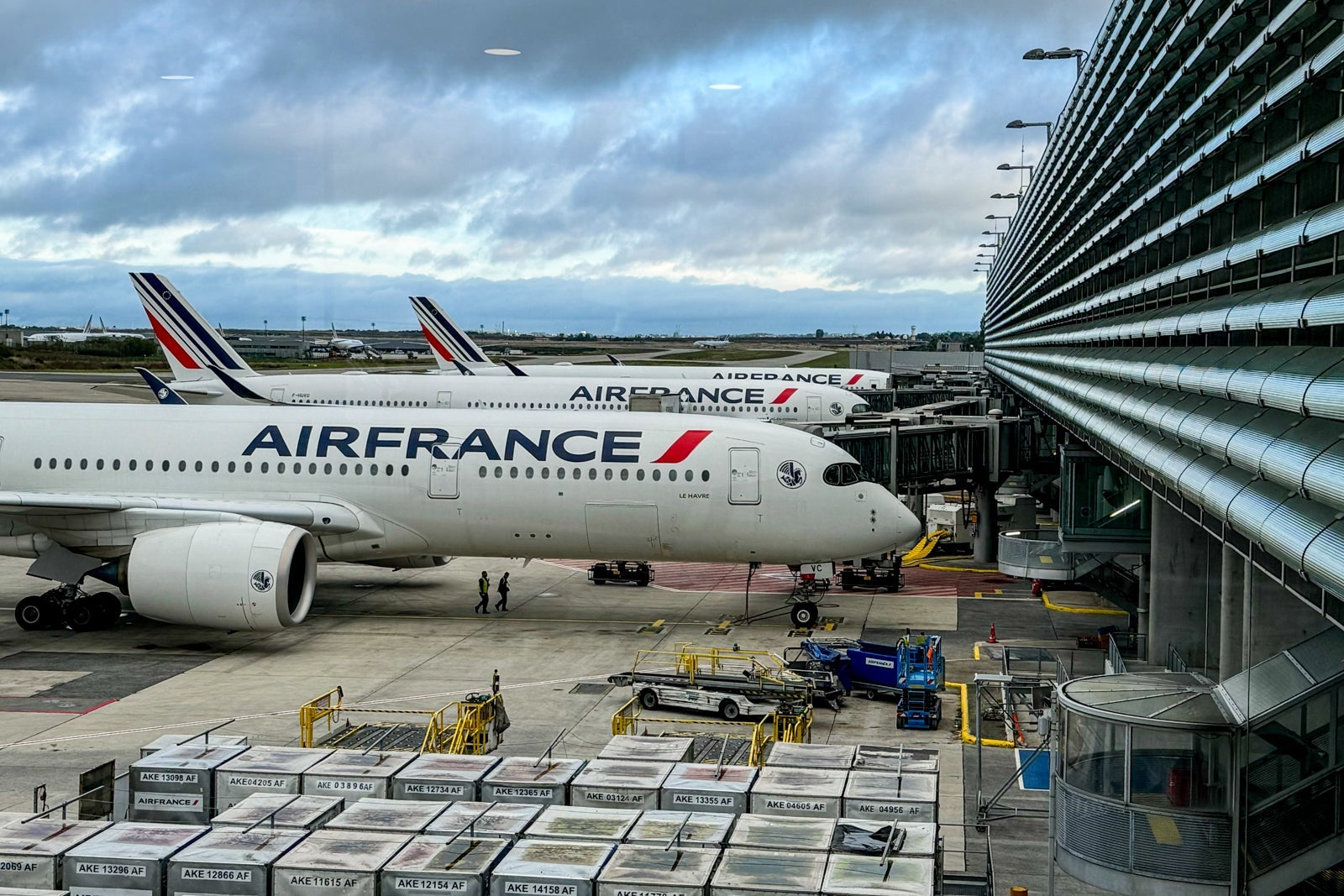
Looking ahead, the airline wants to simply reach more major cities on the other side of the globe — which, in many cases, are key business markets.
“The big economies,” Esposito said, “is where Delta’s going to be.”
In some ways, it’s a strategy with roots in the company’s heritage.
Harkening back to Northwest … sort of
When Delta acquired Northwest Airlines in 2008, it inherited a sprawling Asia route network anchored by a unique hub at Tokyo’s Narita.
Back then, you could fly Delta to Tokyo and then connect — on its planes — to places like Guam, Shanghai, Saipan and Taipei.
However, Delta significantly scaled back its footprint in Asia over the course of the 2010s. Over that same stretch, the airline upped its focus on transatlantic service.
United, meanwhile, emerged as the biggest U.S. airline in the skies over the world’s biggest ocean.
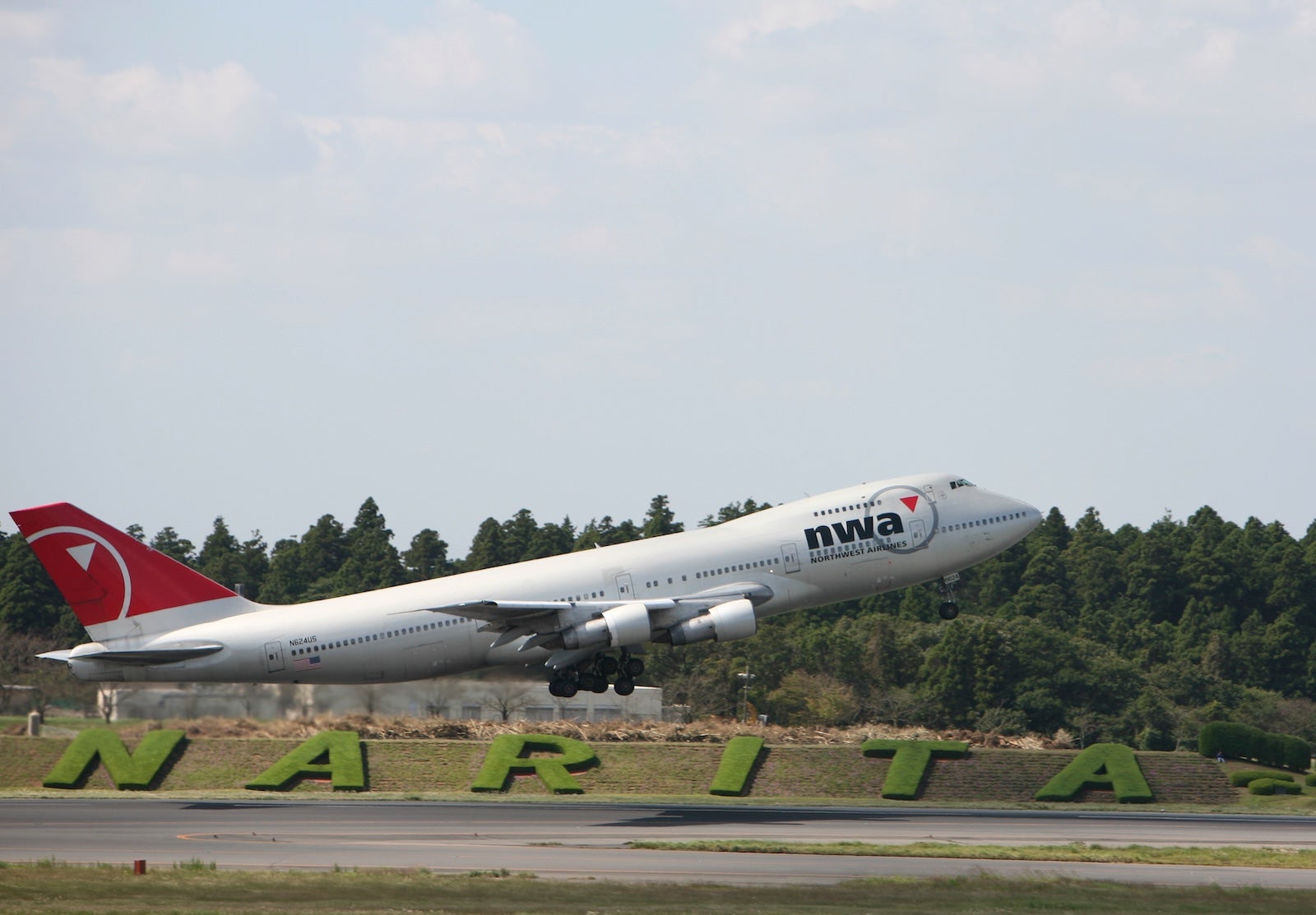
Now, though, Delta has its eyes on restoring a presence in top Asia-Pacific markets that were once the bread and butter of Northwest.
But these would be routes Delta would operate directly from the U.S. mainland — thanks to its duo of West Coast hubs at LAX and Seattle-Tacoma International Airport (SEA).
“When you think about where we were the past 20 years we merged with Northwest Airlines, they had a great Pacific network — but really didn’t have the strength on the west [coast] to launch from,” Esposito said. “Now we’ve got great launching platforms.”
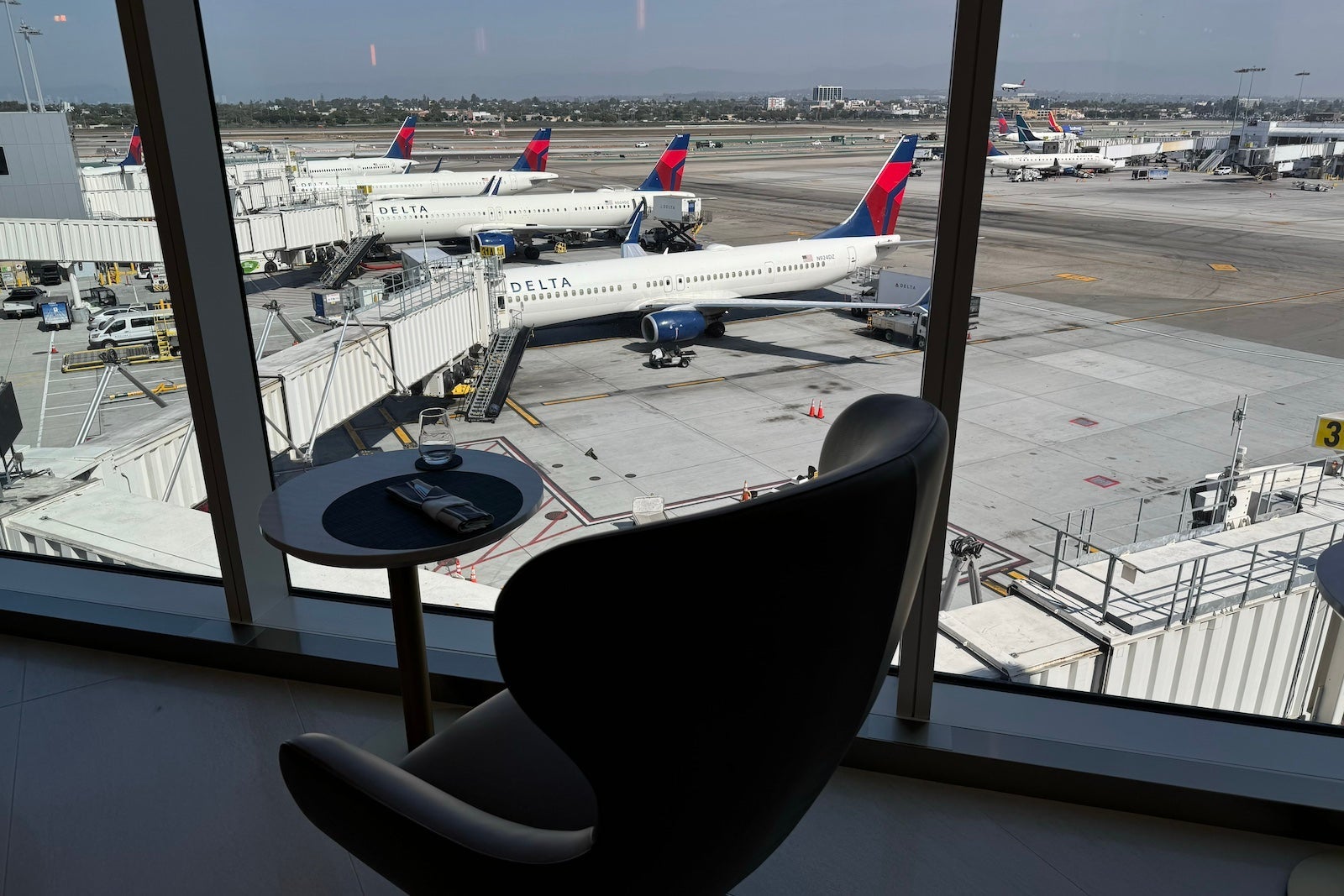
With those big transpacific plans in mind, it’s no coincidence that Delta has opened a trio of new, high-end Delta One Lounges between LAX and SeaTac over the past two years. Among them: a new facility that just opened this summer in Southern California.
Not just Pacific growth
To be clear, transpacific service to Asia and the South Pacific isn’t Delta’s only focus for expansion.
The airline will launch nonstop service to Riyadh in October, becoming the first U.S. carrier to offer nonstop service to Saudi Arabia.
And just this week, it doubled down on its fast-growing focus city in Austin, Texas, by announcing a new route to Paris. Those flights will begin in 2027.
Related reading:

